‘The Odour of Smoke’
curated by Christina Barton
12 Dec 2025 – 31 Jan 2026
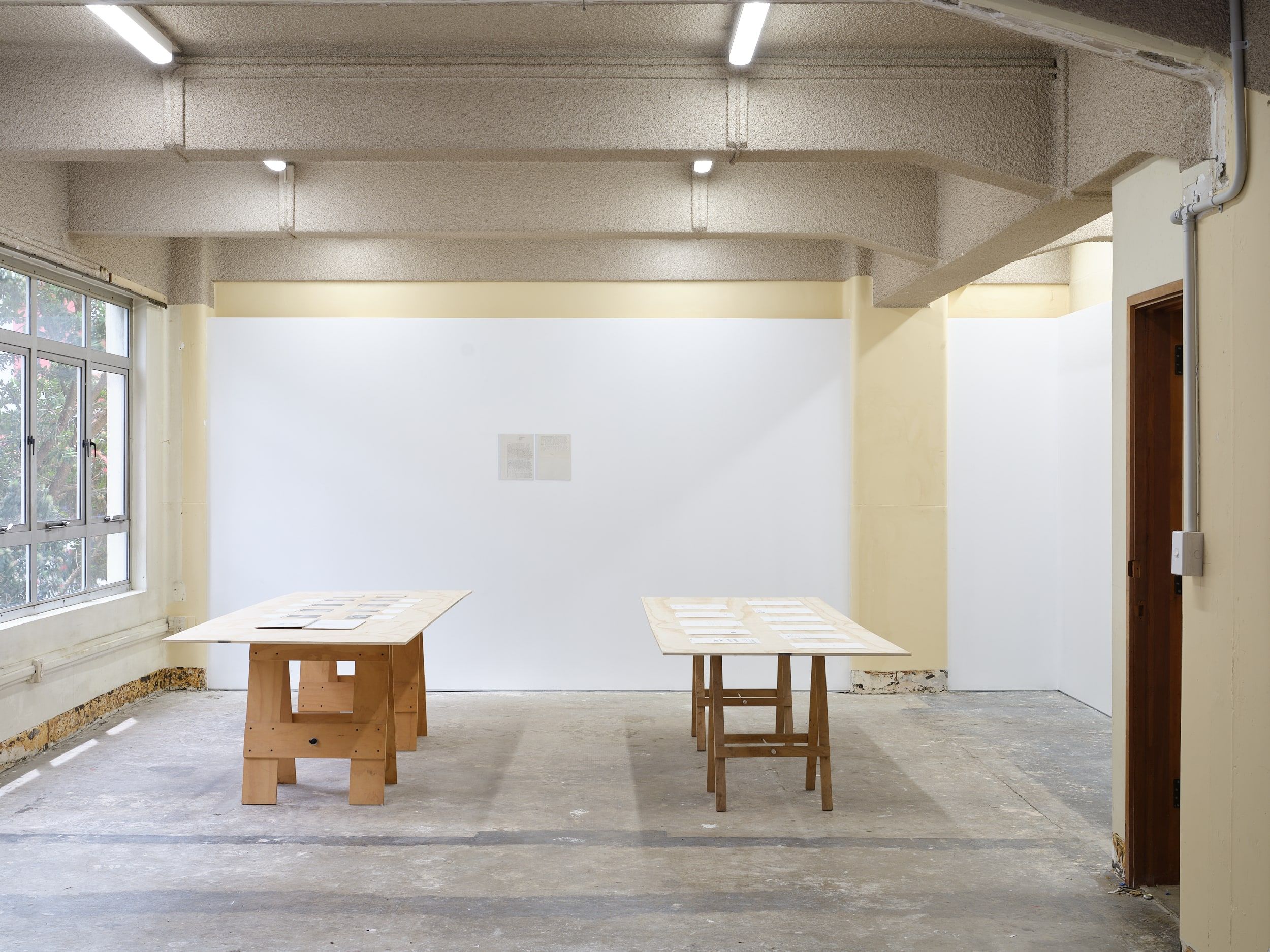
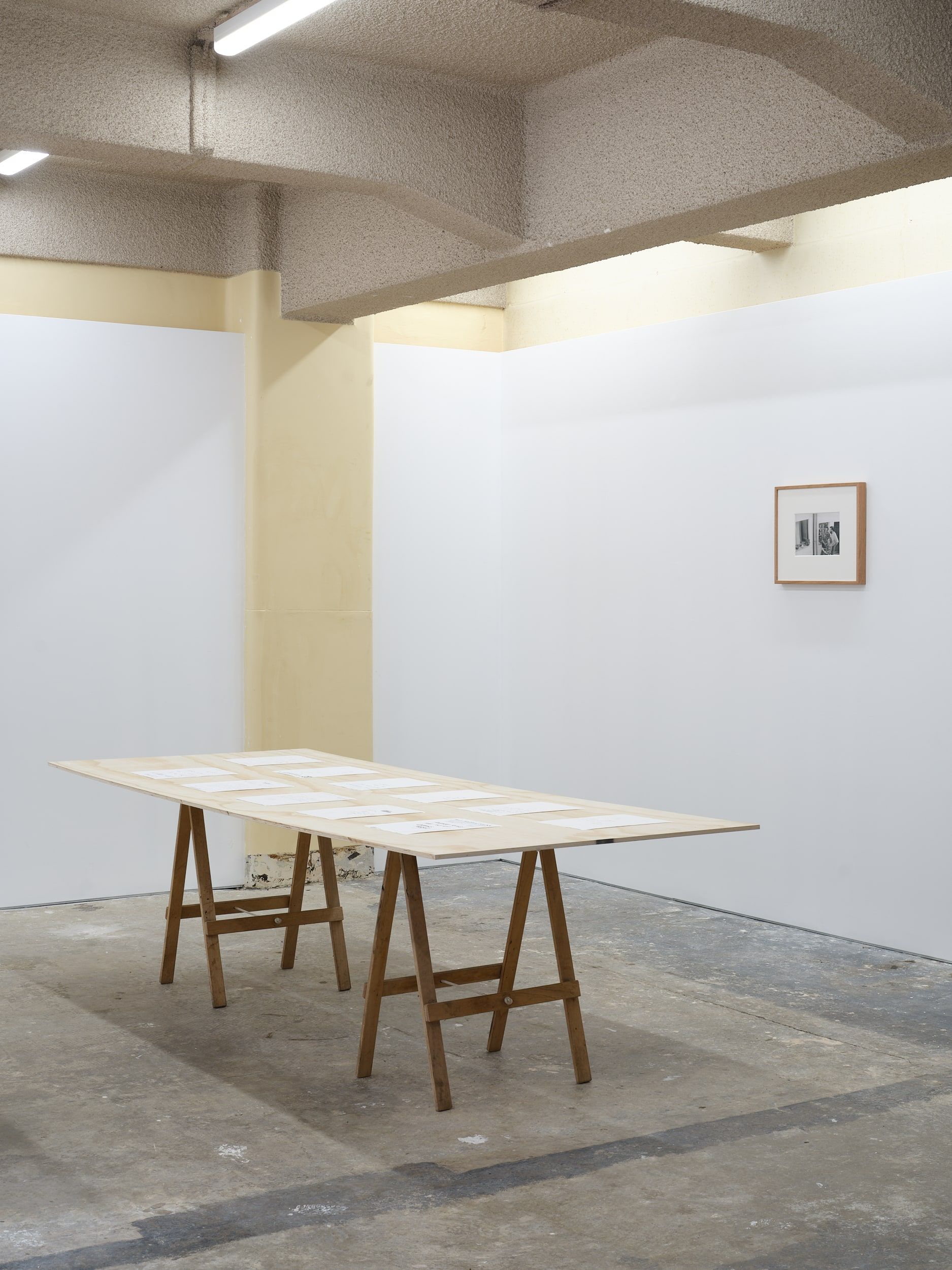
Installation view
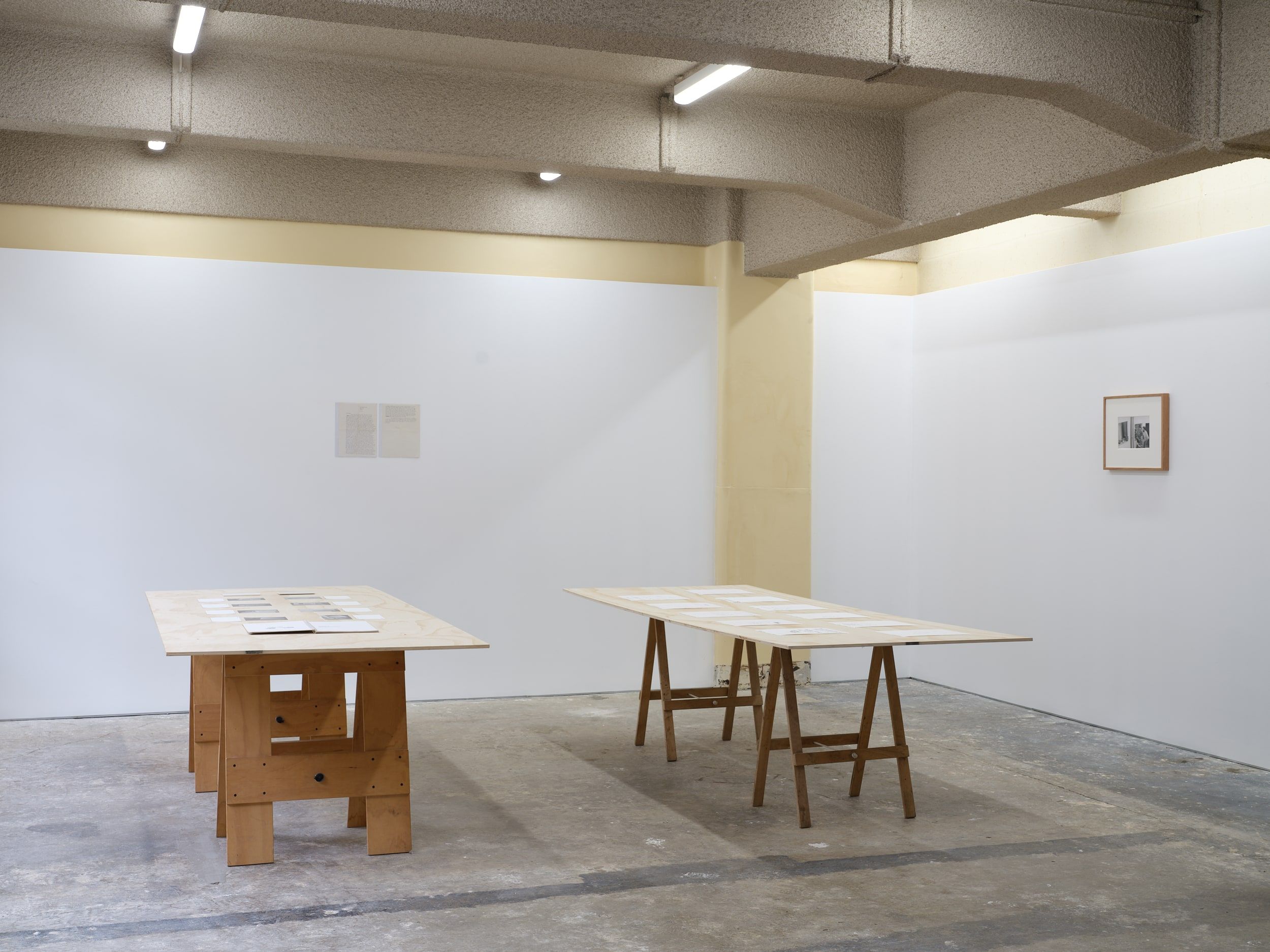
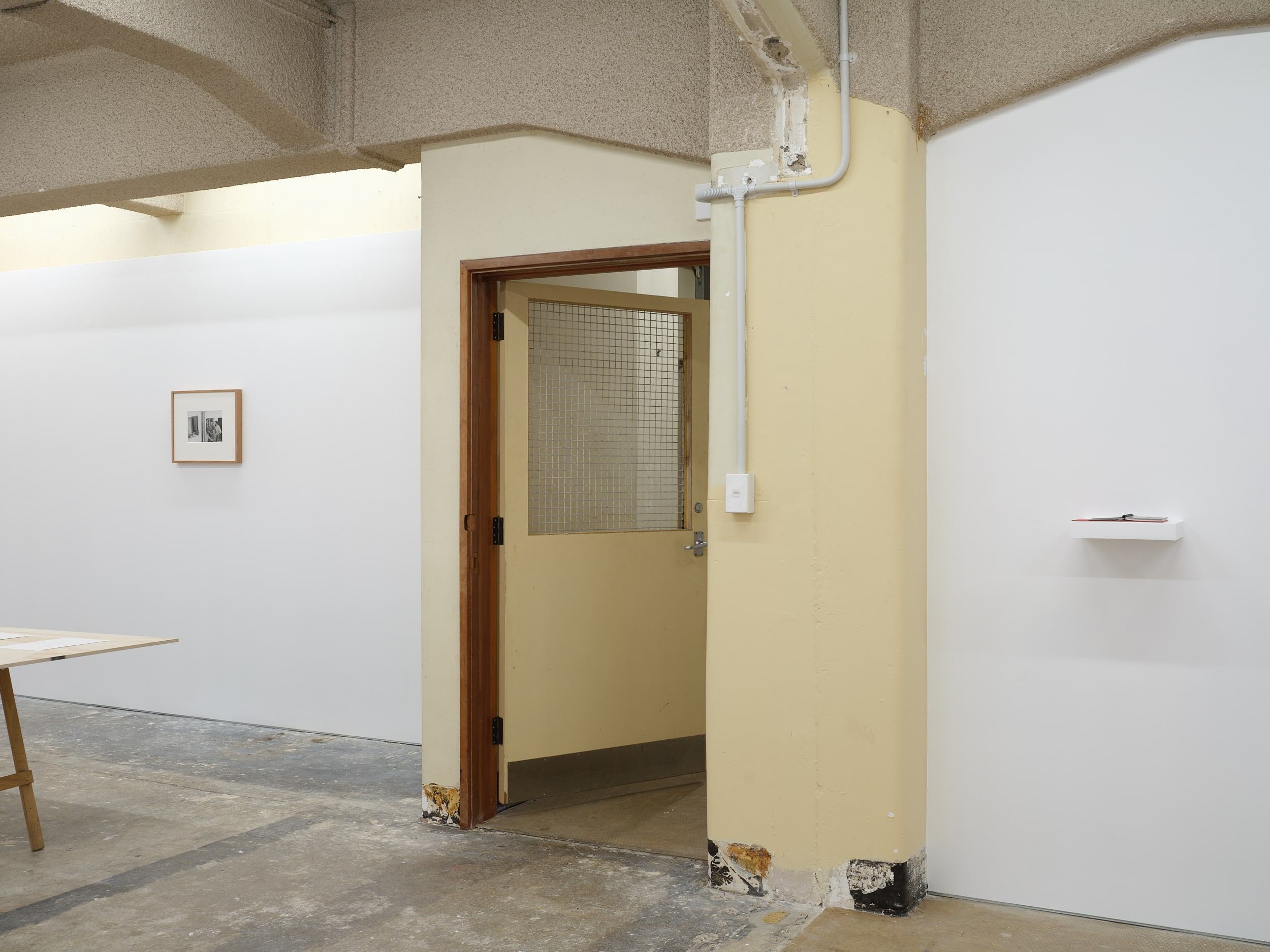
[ ...
Let’s say that for this exhibition the telephone serves as a synecdoche. It belongs to another time, one I lived in and remember. Now we have cell phones and how we use them makes us different. Raymond Williams has a term for the difference between ‘my’ time and ‘yours’. He calls it a “structure of feeling”, invoking both the larger systems in which we are all enmeshed and the smaller more personal intuitions that together produce and determine social and cultural shifts. A new structure of feeling comes into being through the cultural work of a new generation – Williams is quite precise, “a group which would have a median age of around thirty” – who supersede those who grew up in earlier decades. My thesis is that these documents, made in the late 1970s and the 1990s before and on the cusp of cell phones and the Internet, show us the structure of feeling of those times; through them we can glimpse what contemporary art was and what it felt like to be engaged in its production and presentation. Landlines, letters, postcards, and faxes were our means of communication; analogue photographs, videotapes and films were vehicles for our image making. These were not just tools or ‘media’, they actually determined what we could say, they structured our relationships, and conditioned our sense of time (how long things took) and space (where we were and weren’t). These technologies enabled and limited us and the best art of that time made us aware of this.
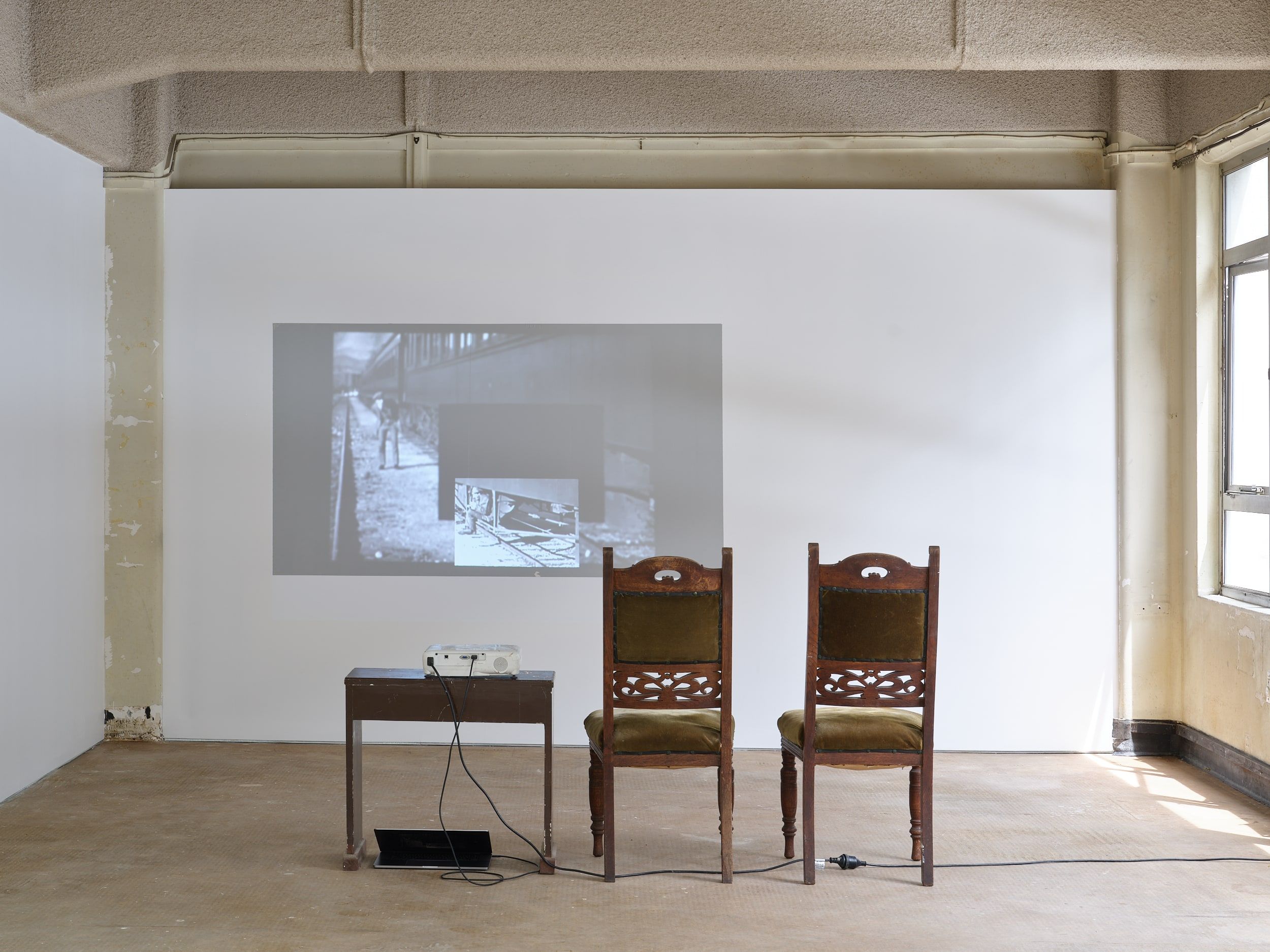
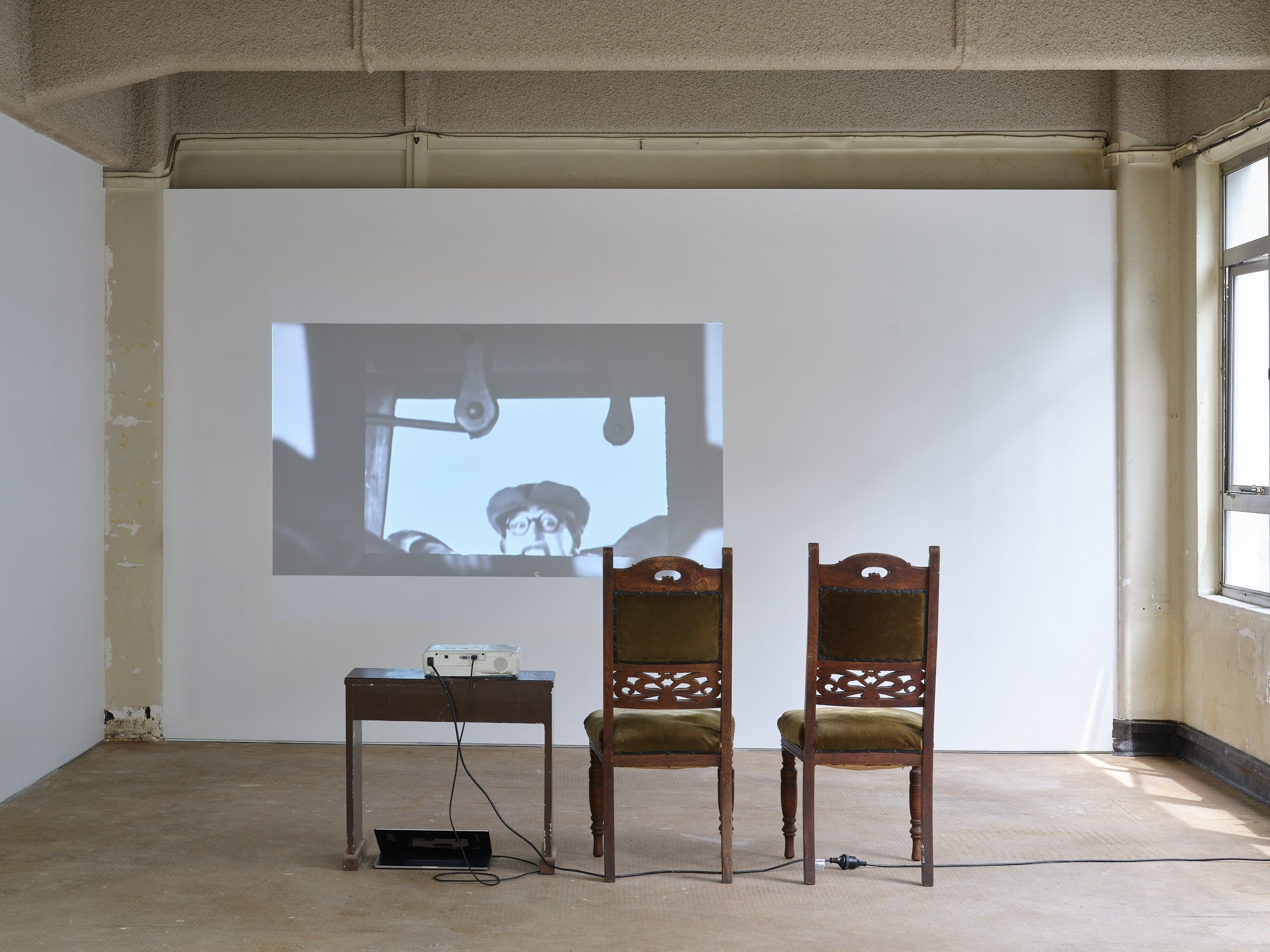
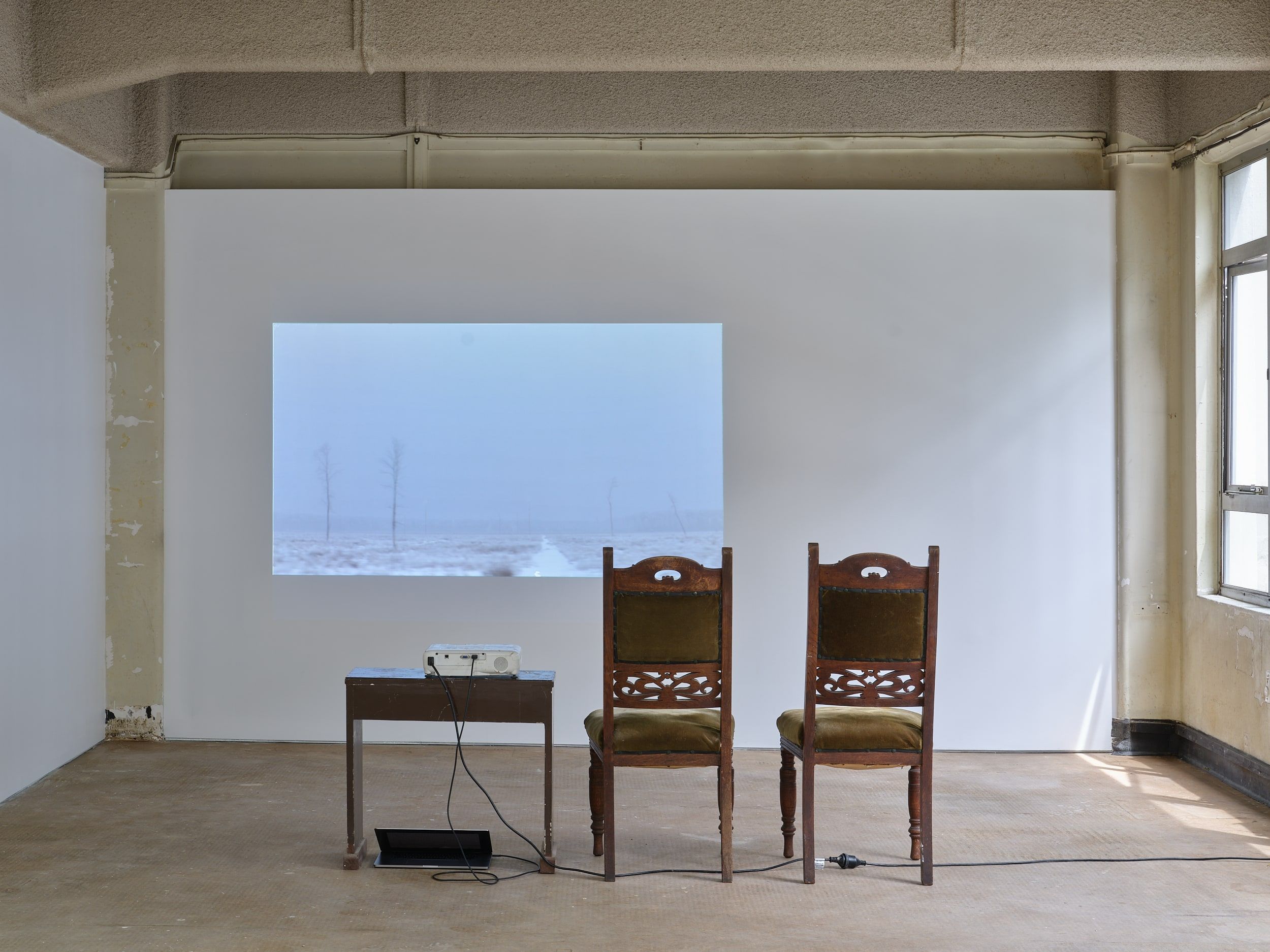
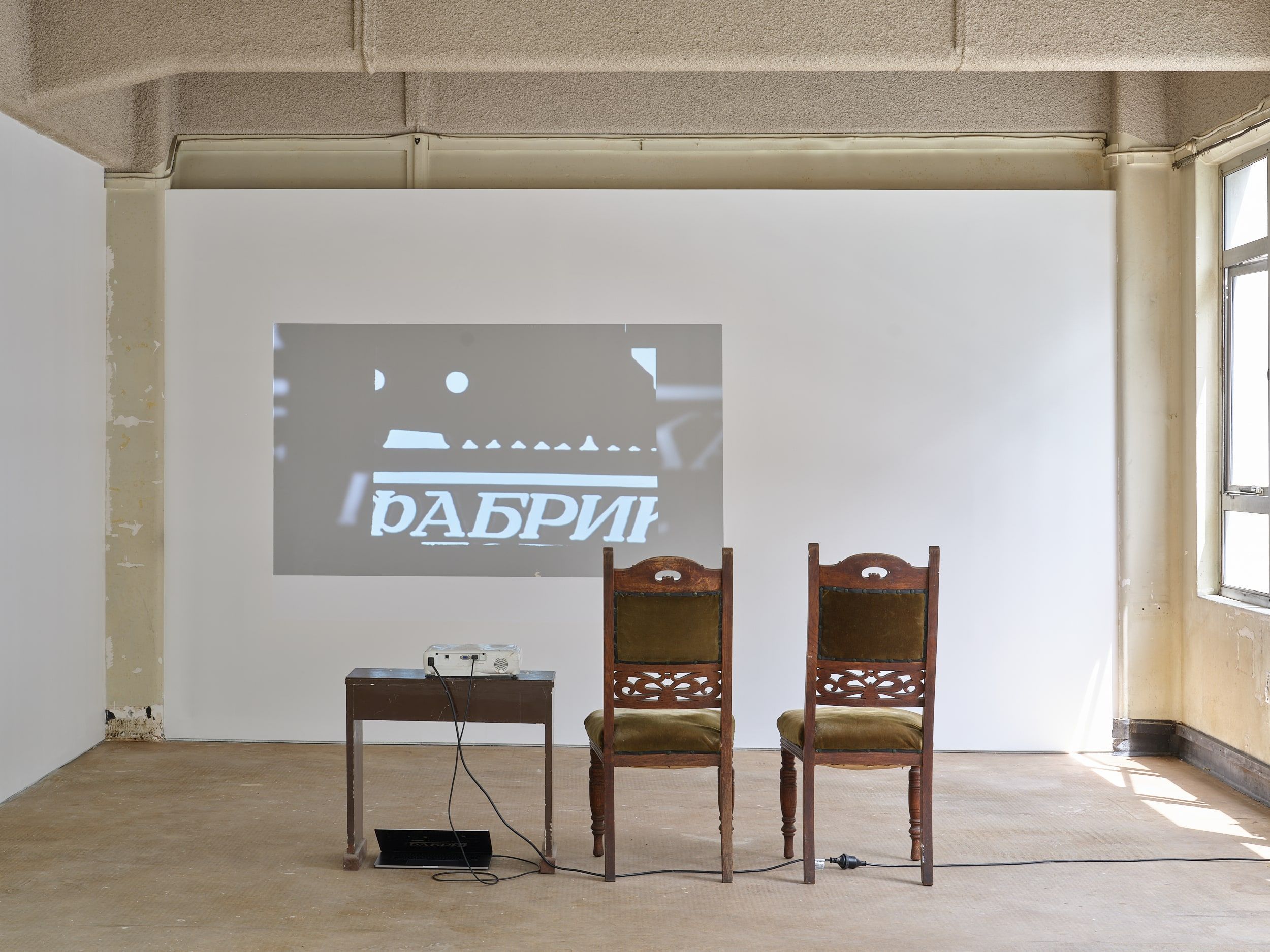
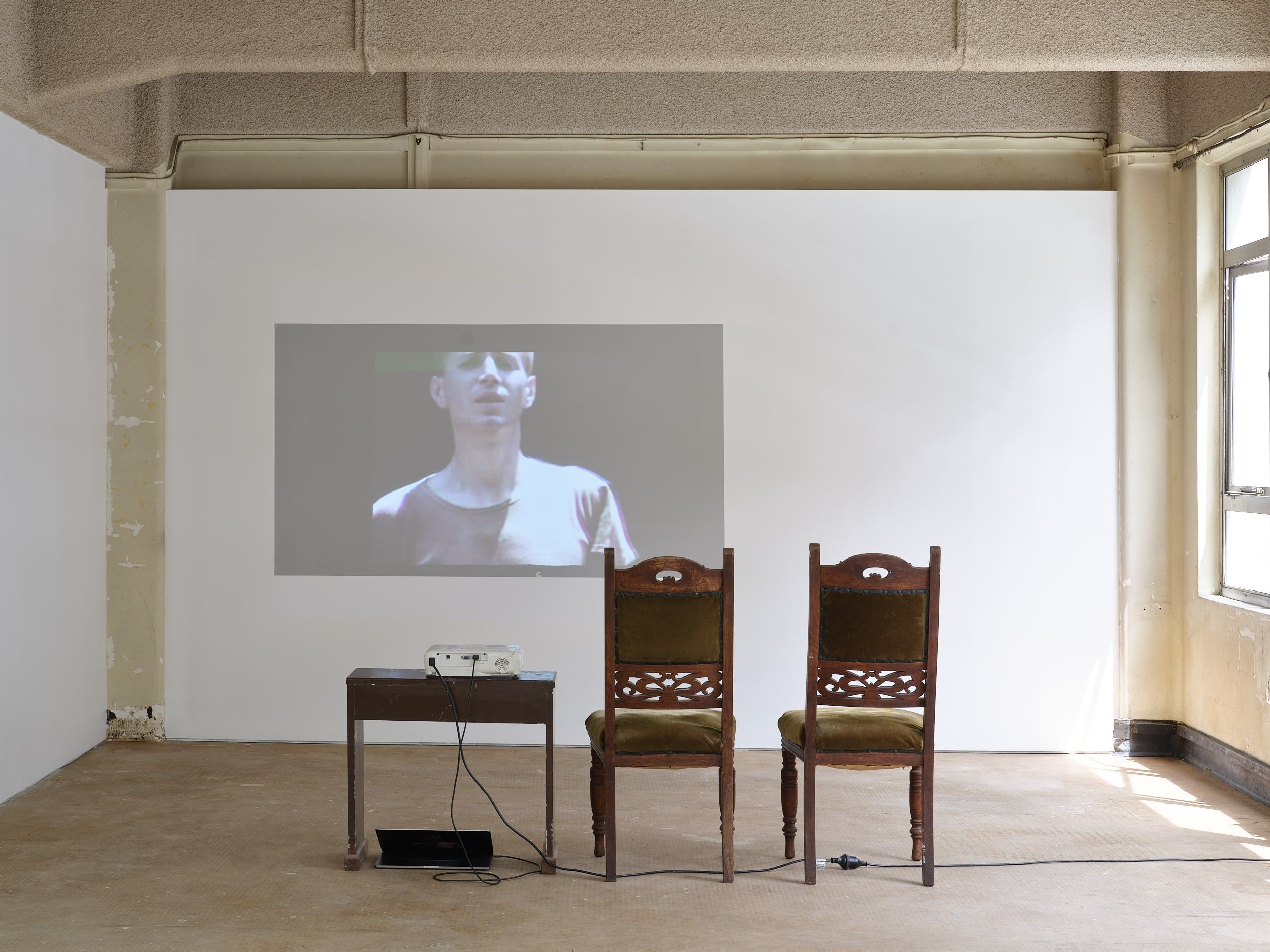
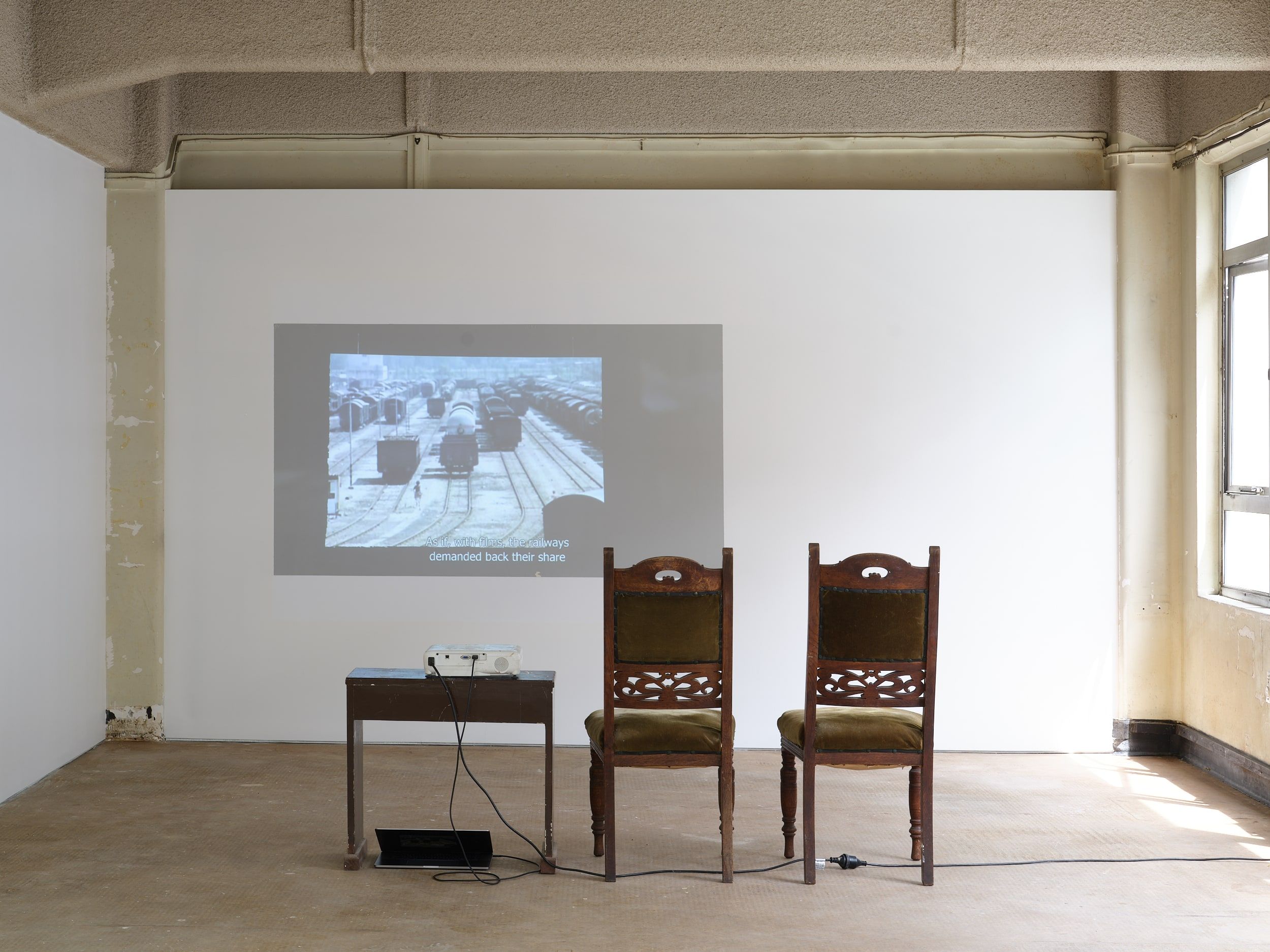
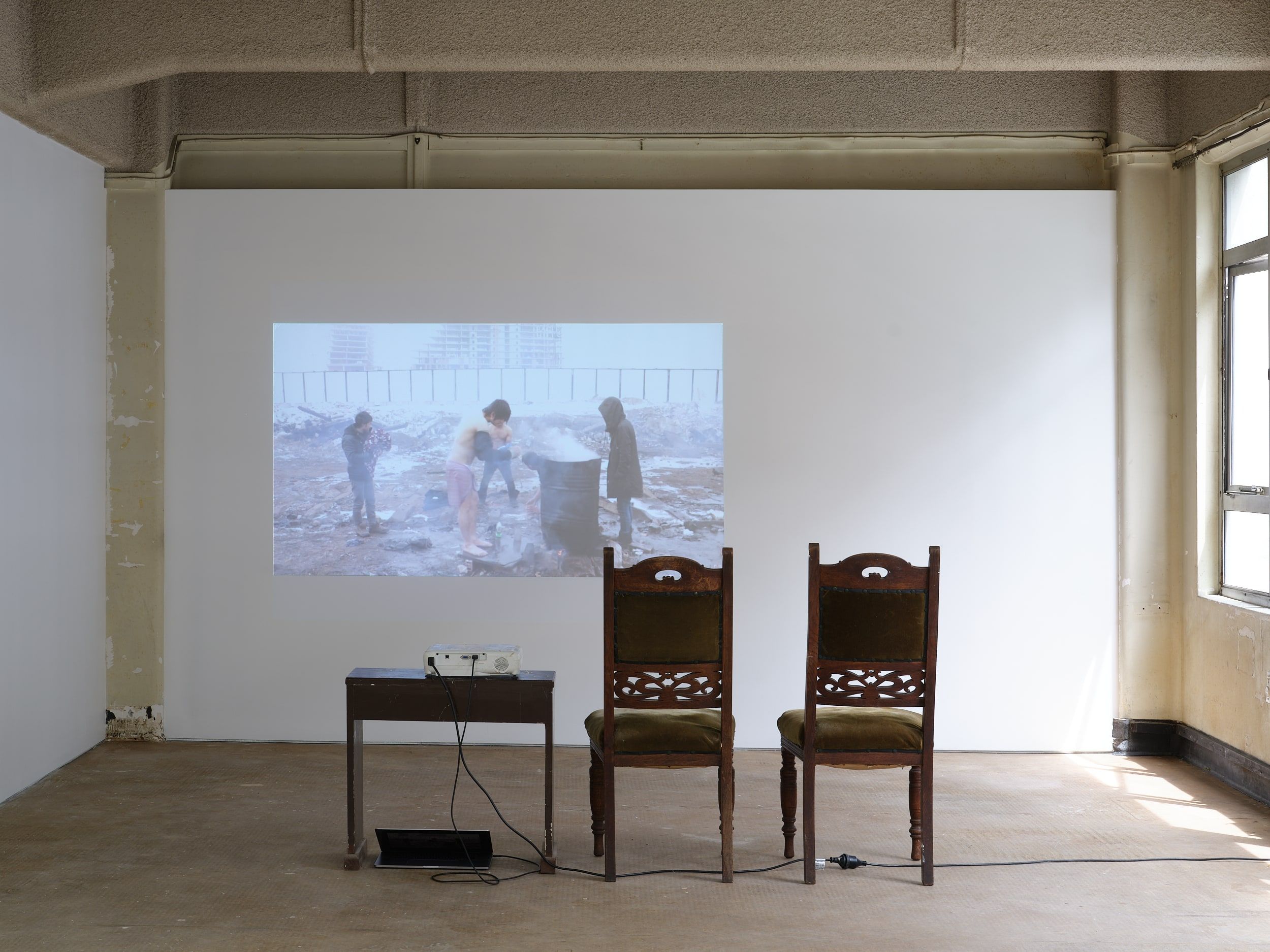
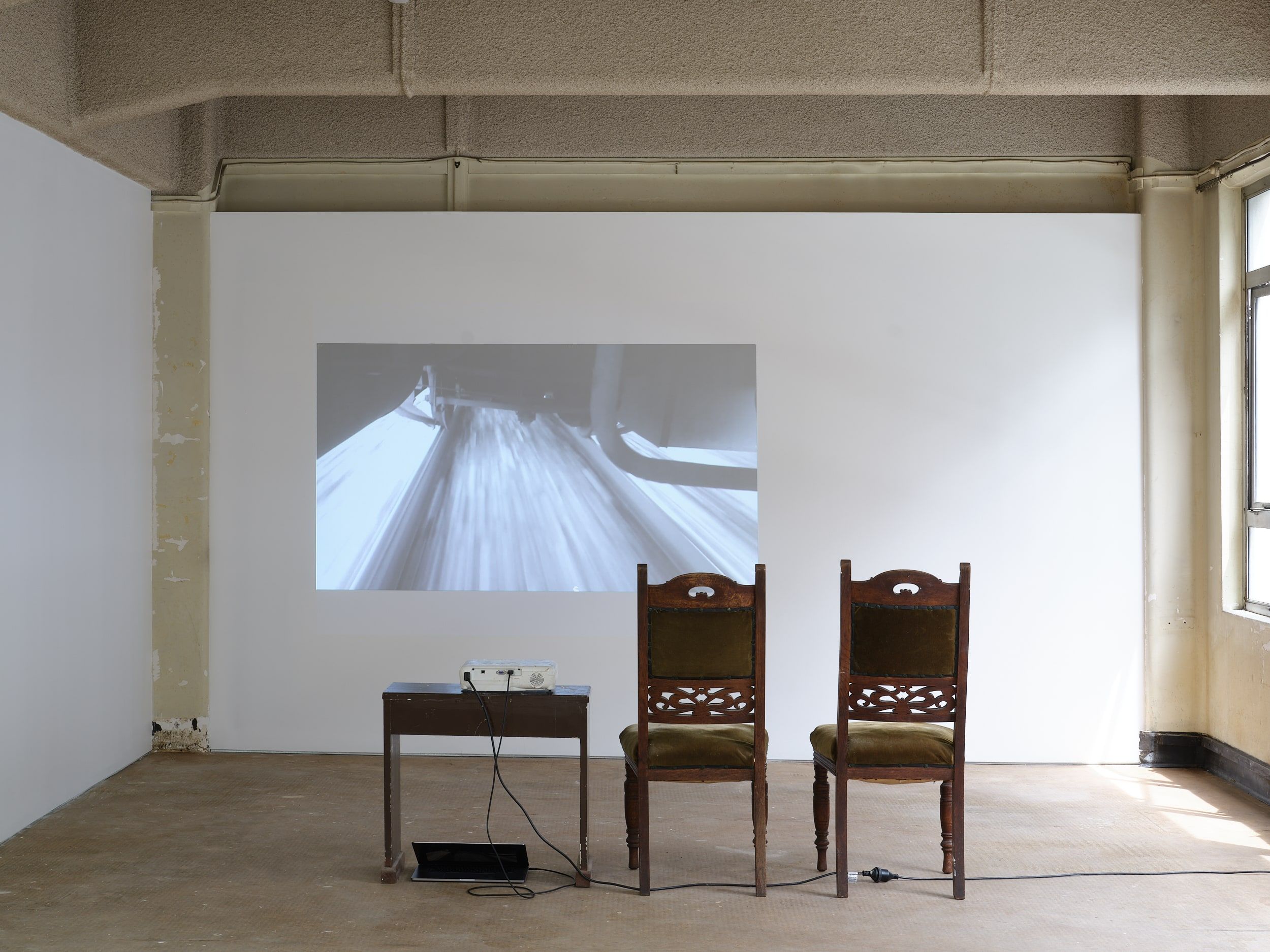
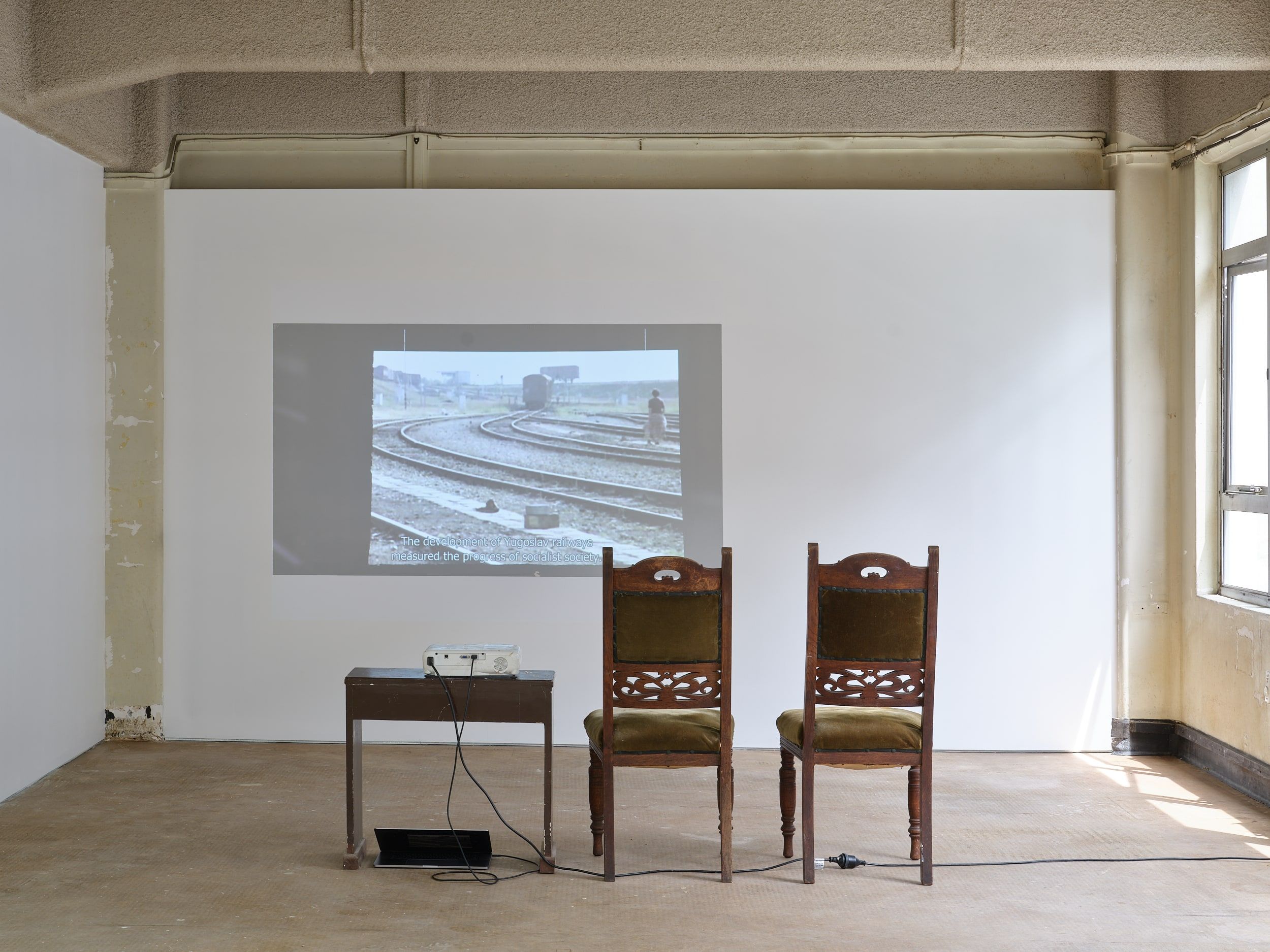
I’ve called this show ‘The Odour of Smoke’. This is a phrase used by Italo Calvino in his 1981 novel ‘If on a winter’s night a traveller’, describing the sensation he has that “the odor of smoke” clings to railway stations long after the trains have been electrified. He goes on to say that “a novel that talks about trains and stations cannot help conveying this”. I take this to mean that technologies change, we modernise, innovate, move on, and what we say, how we think, our modes of representation are entangled with them. But the past travels with us, and this is guaranteed by deeper continuities: our need to communicate, our desire to conquer distance, the conflicts we have to flee from, the economic pressures that drive us. This is what Nika Autor is saying in her ‘Newsreel 63 – The Train of Shadows’, which is presented here as an analogical mirror for the ideas I’m raising. I’m not nostalgic for my past but I recognise its otherness. If I can articulate the conditions for thinking and representing back then, it must therefore be possible to do the same for our present situation.
... ]
(excerpt, see full text at page end)
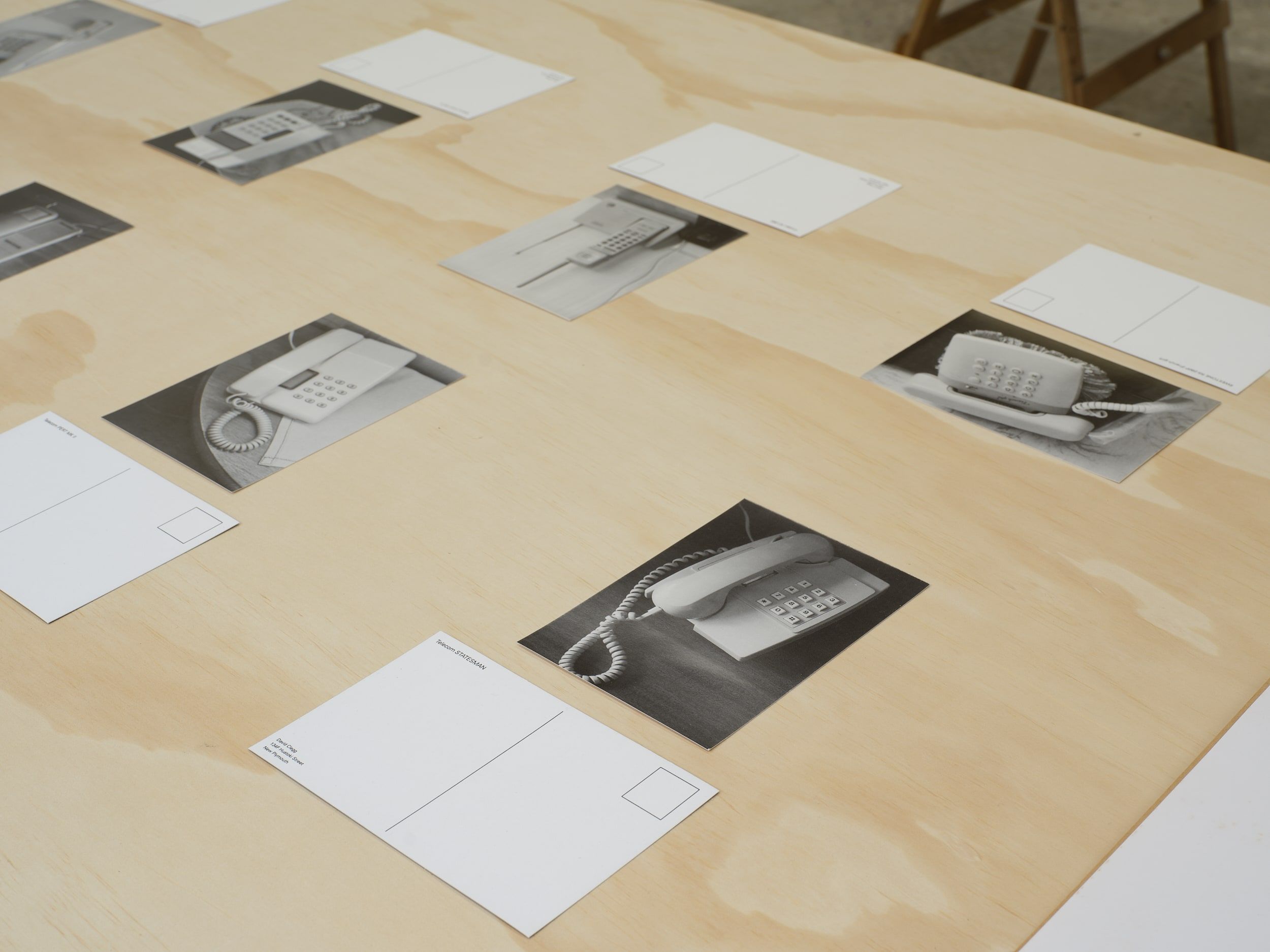
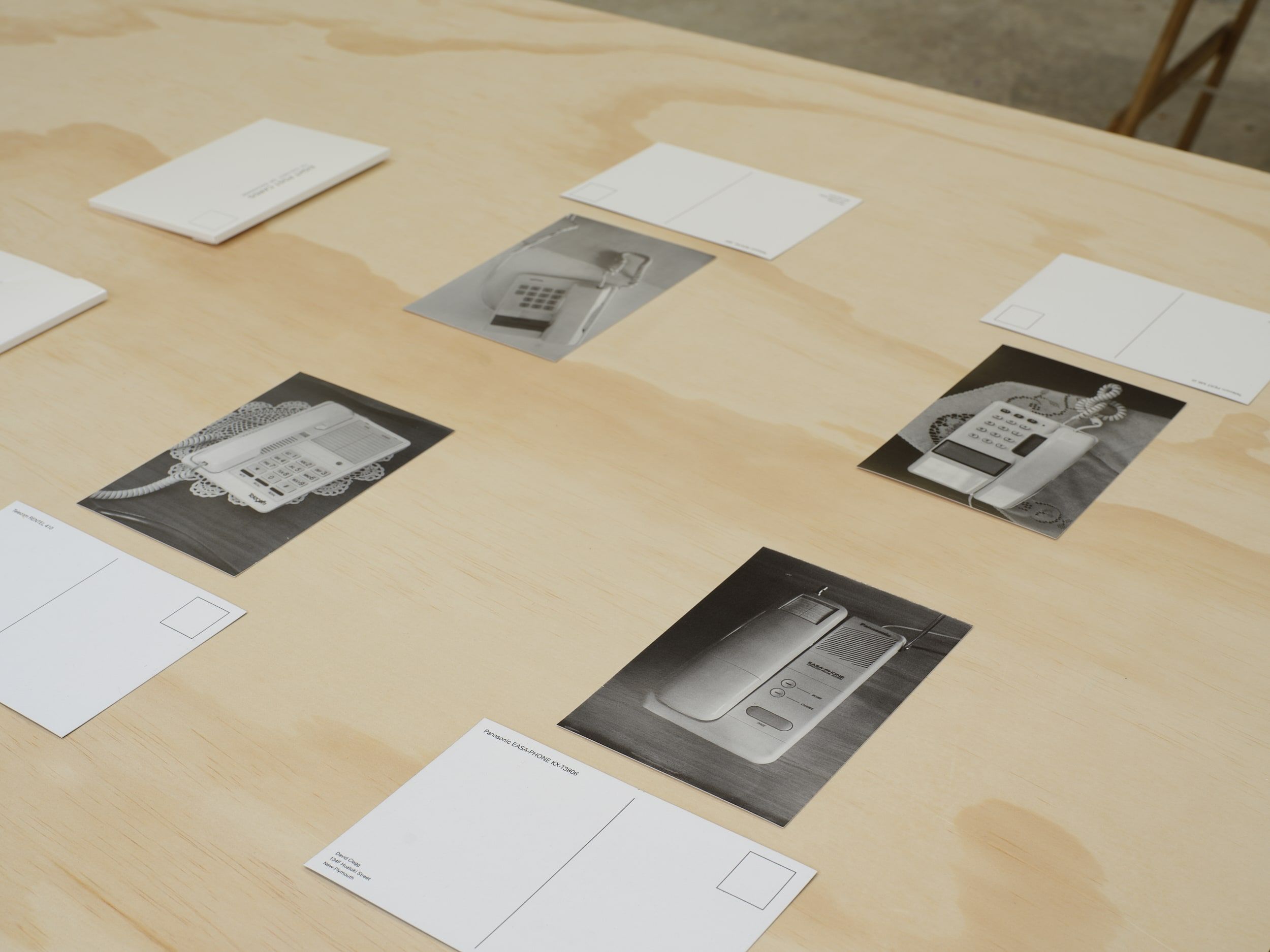
David Clegg, ‘Eight Postcards’, 1996
two boxed sets of printed cards
from To Collect or Exchange, 1996, commissioned project
Govett-Brewster Art Gallery, New Plymouth
courtesy of the artist
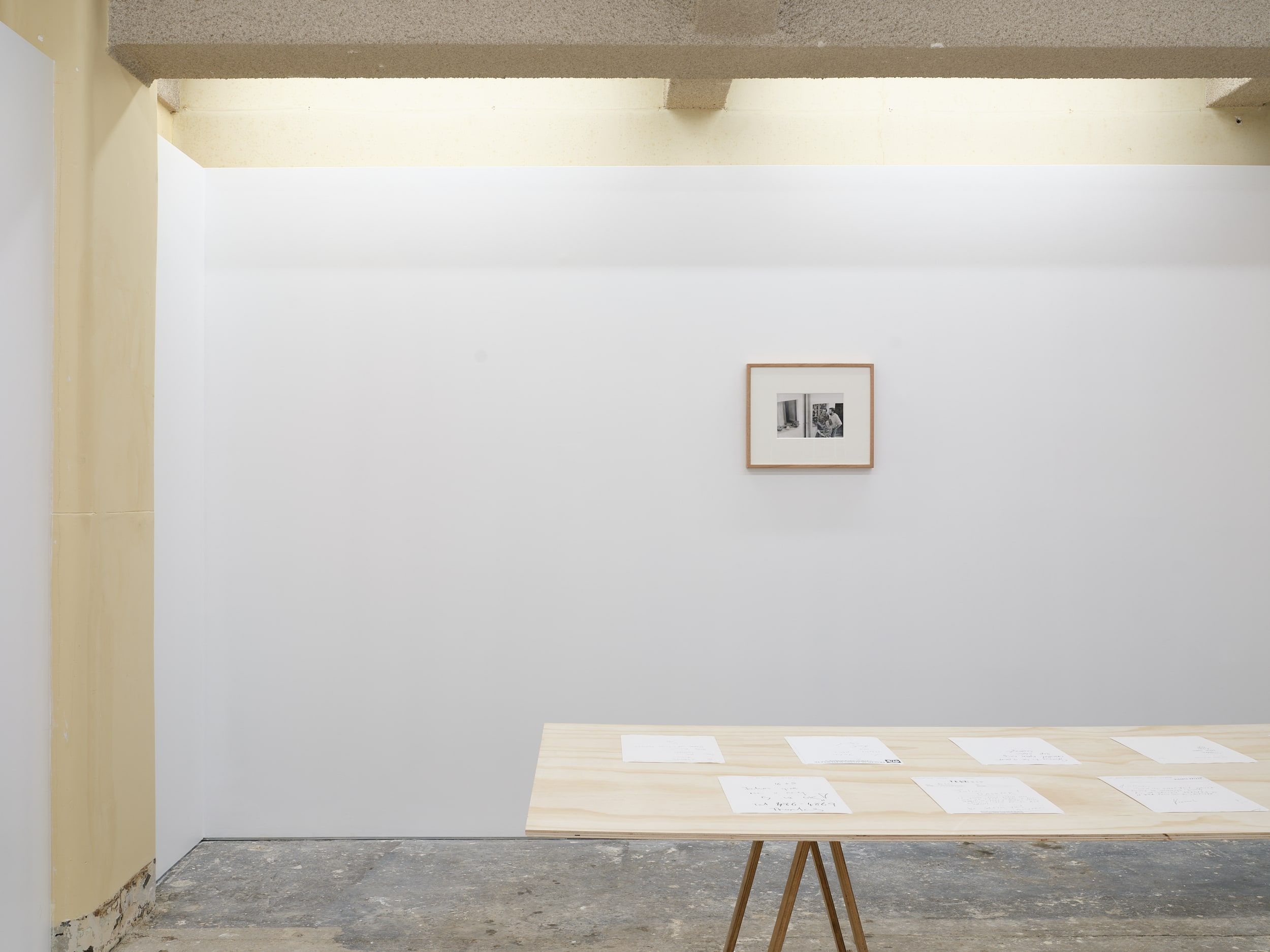
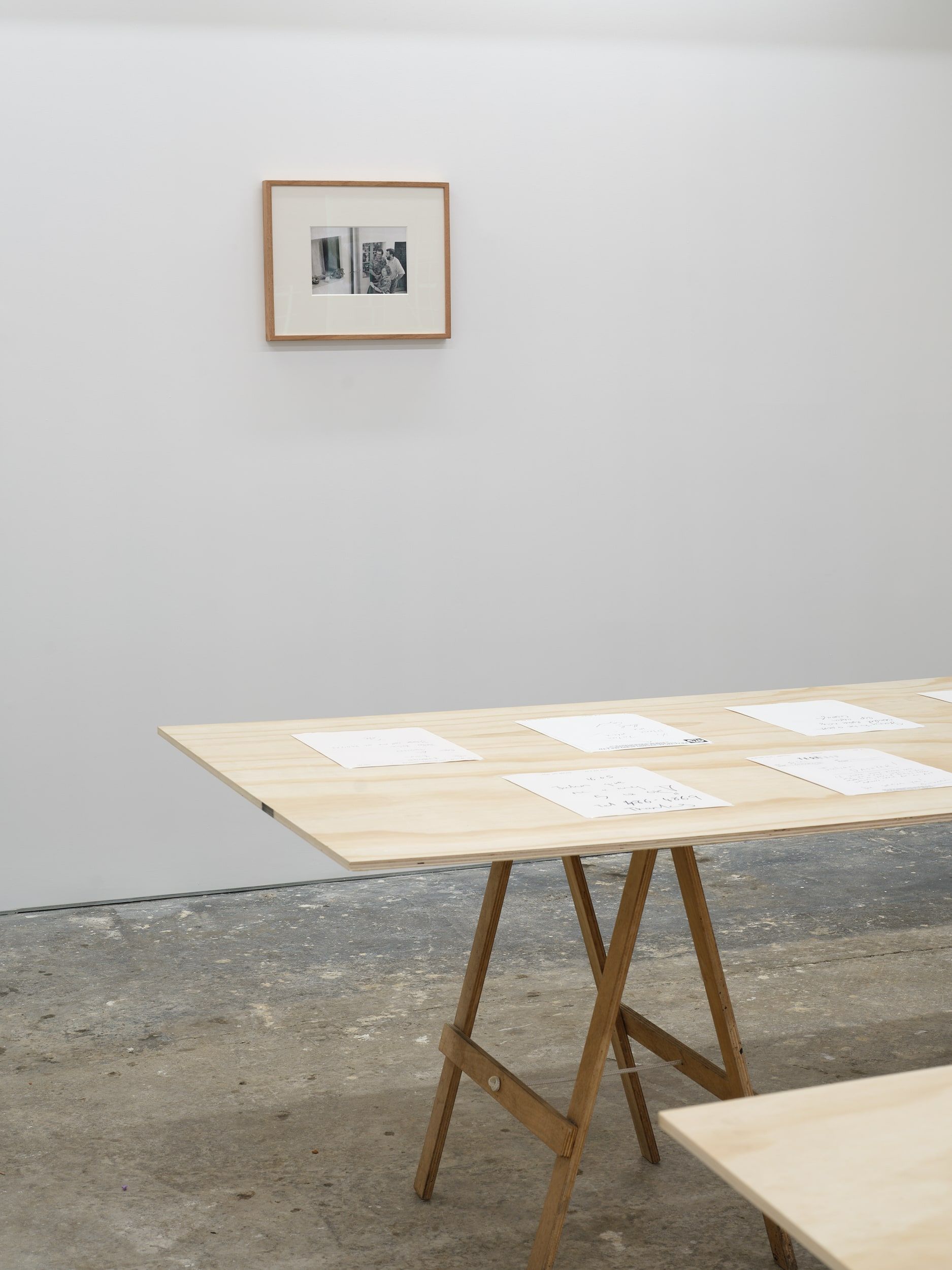
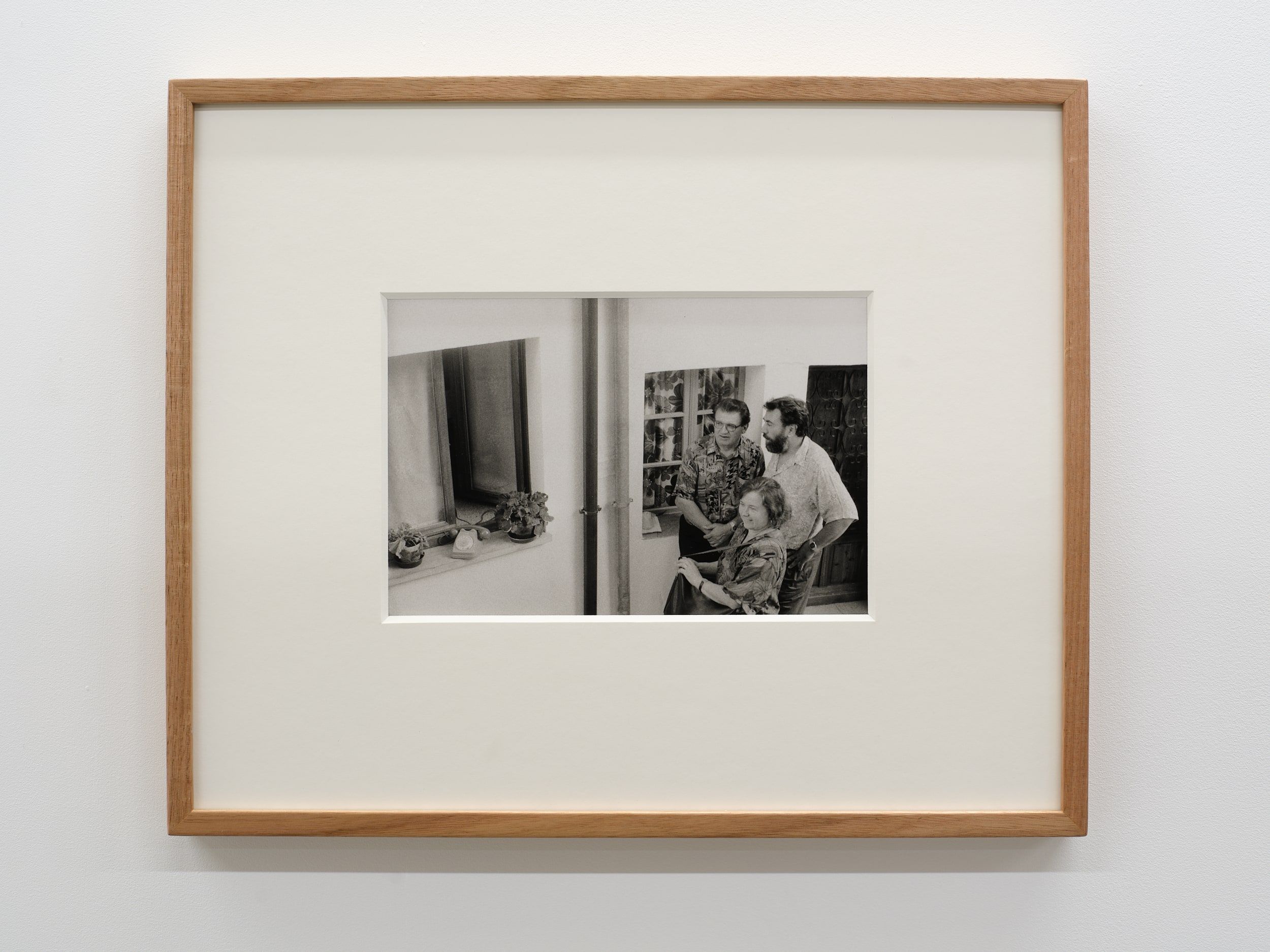
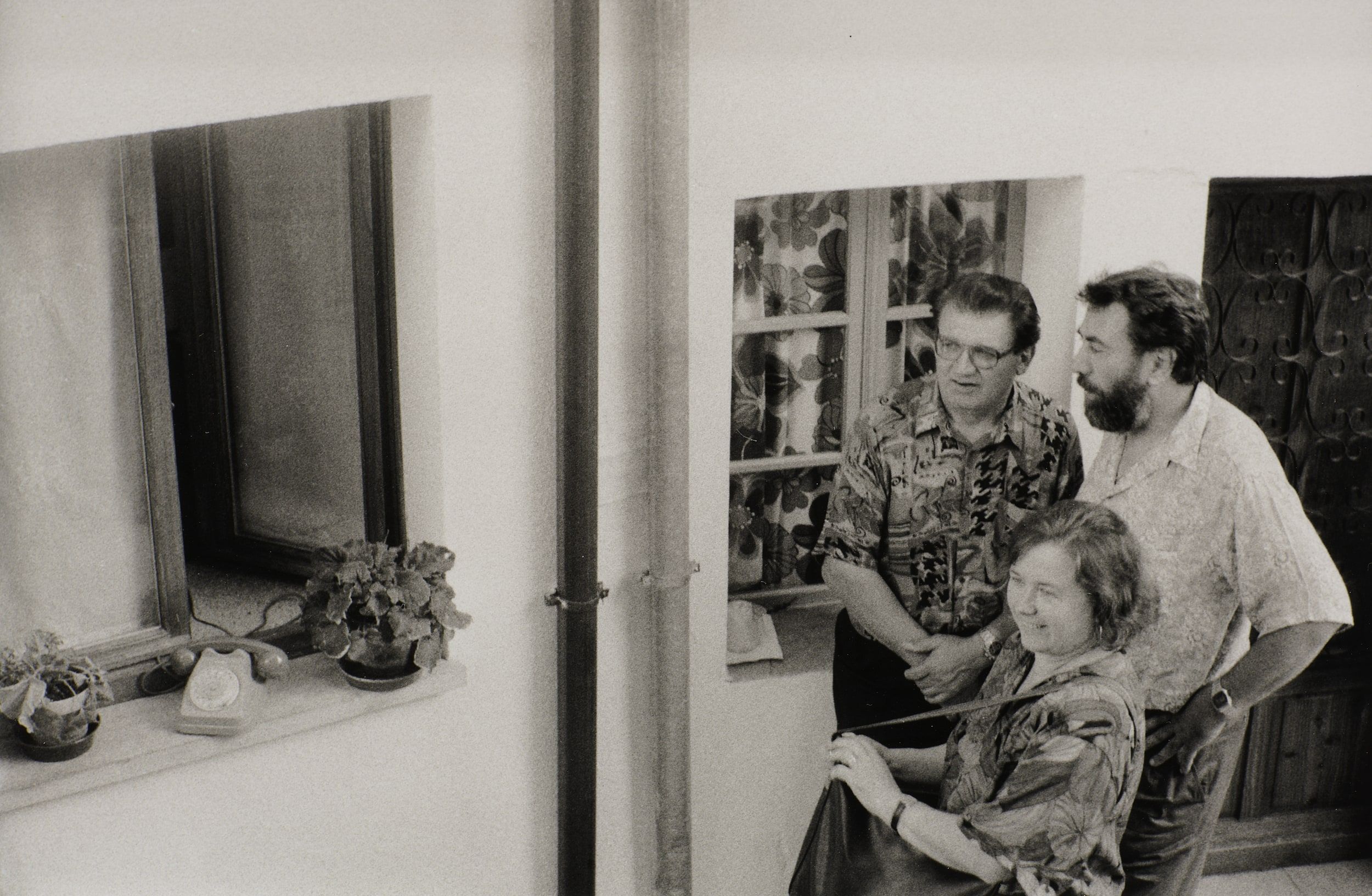
Julian Dashper, ‘Future Call’, 1994
black and white photograph
courtesy of Michael Lett and the Julian Dashper Estate, Auckland
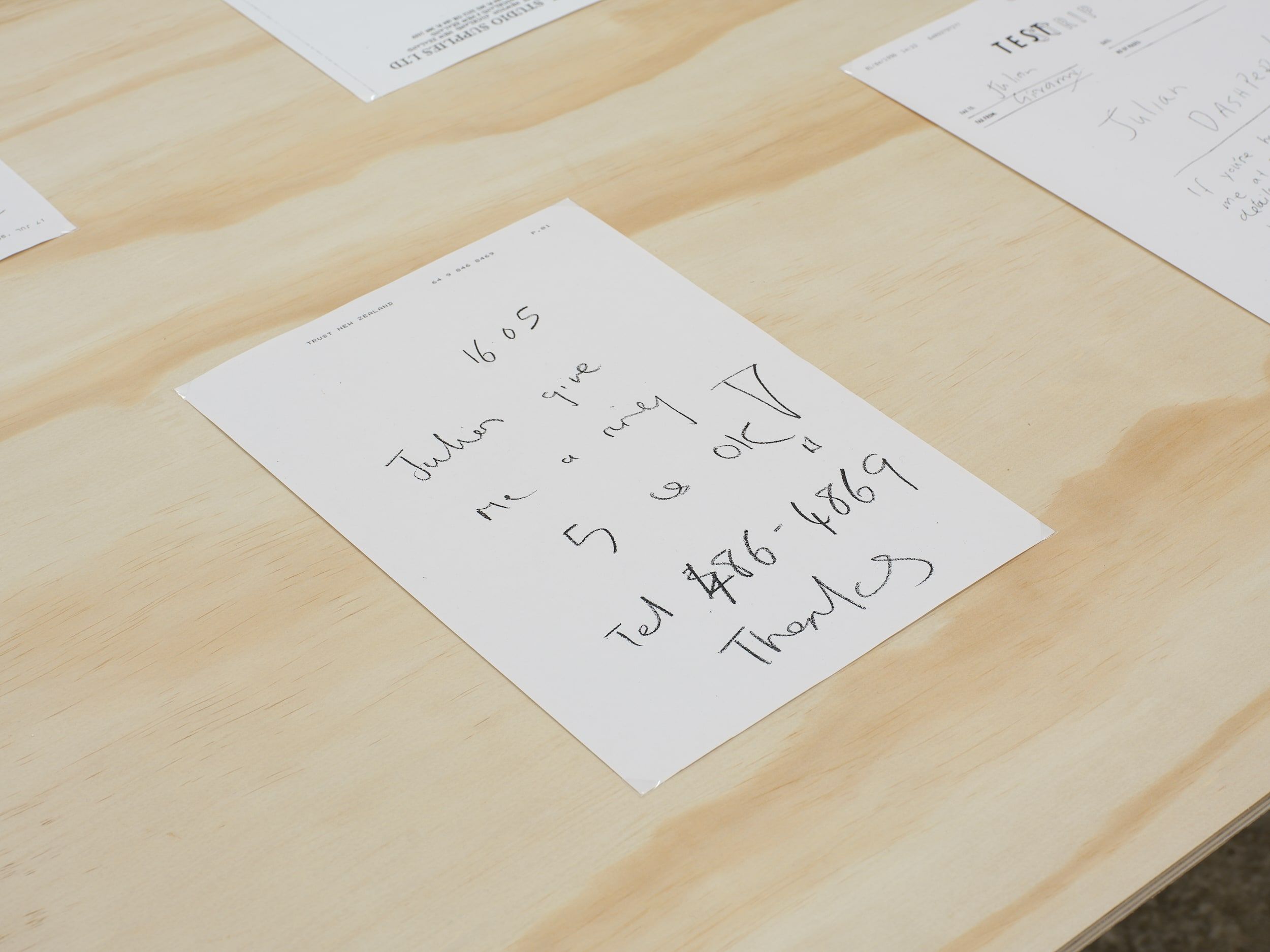
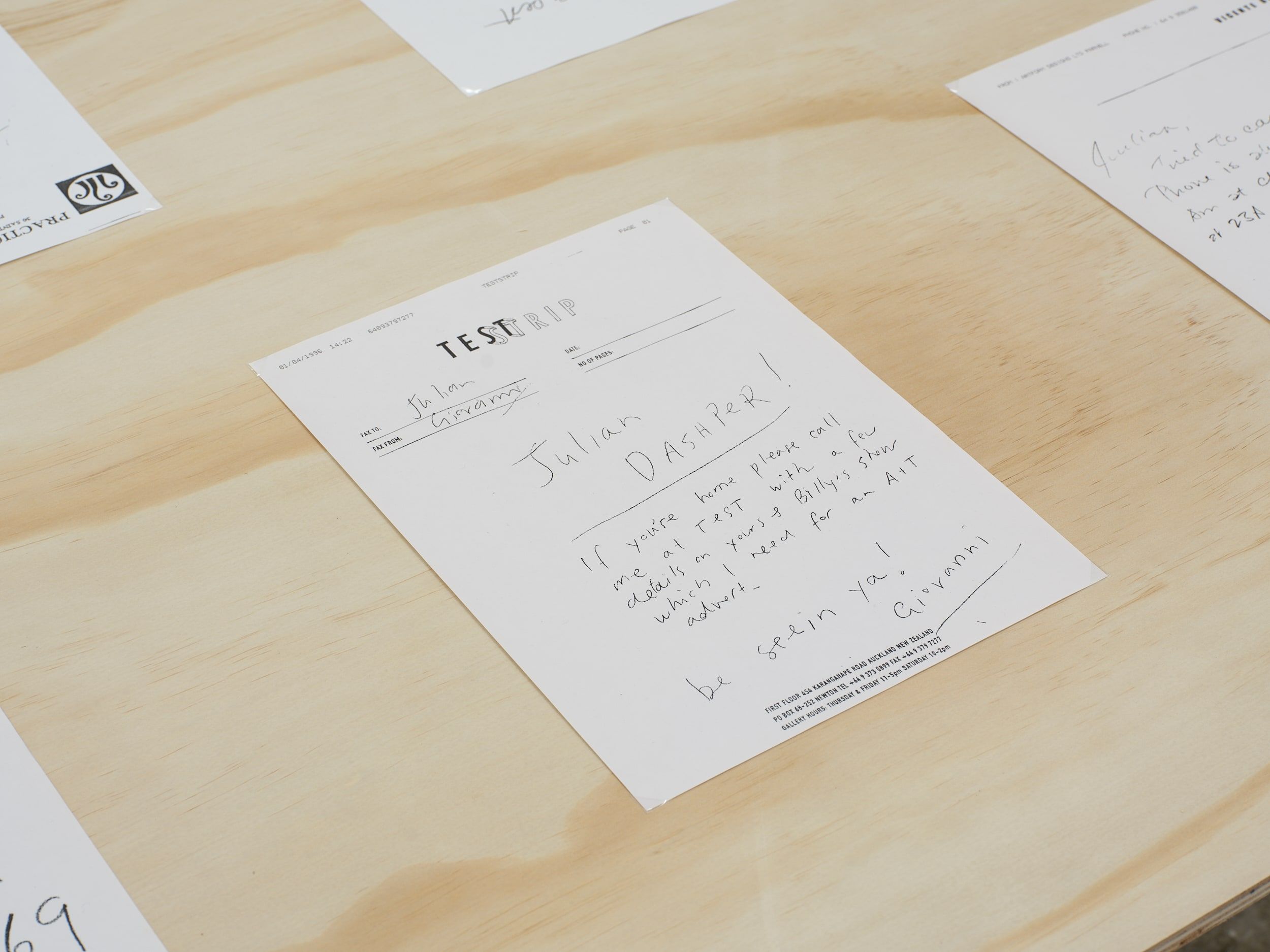
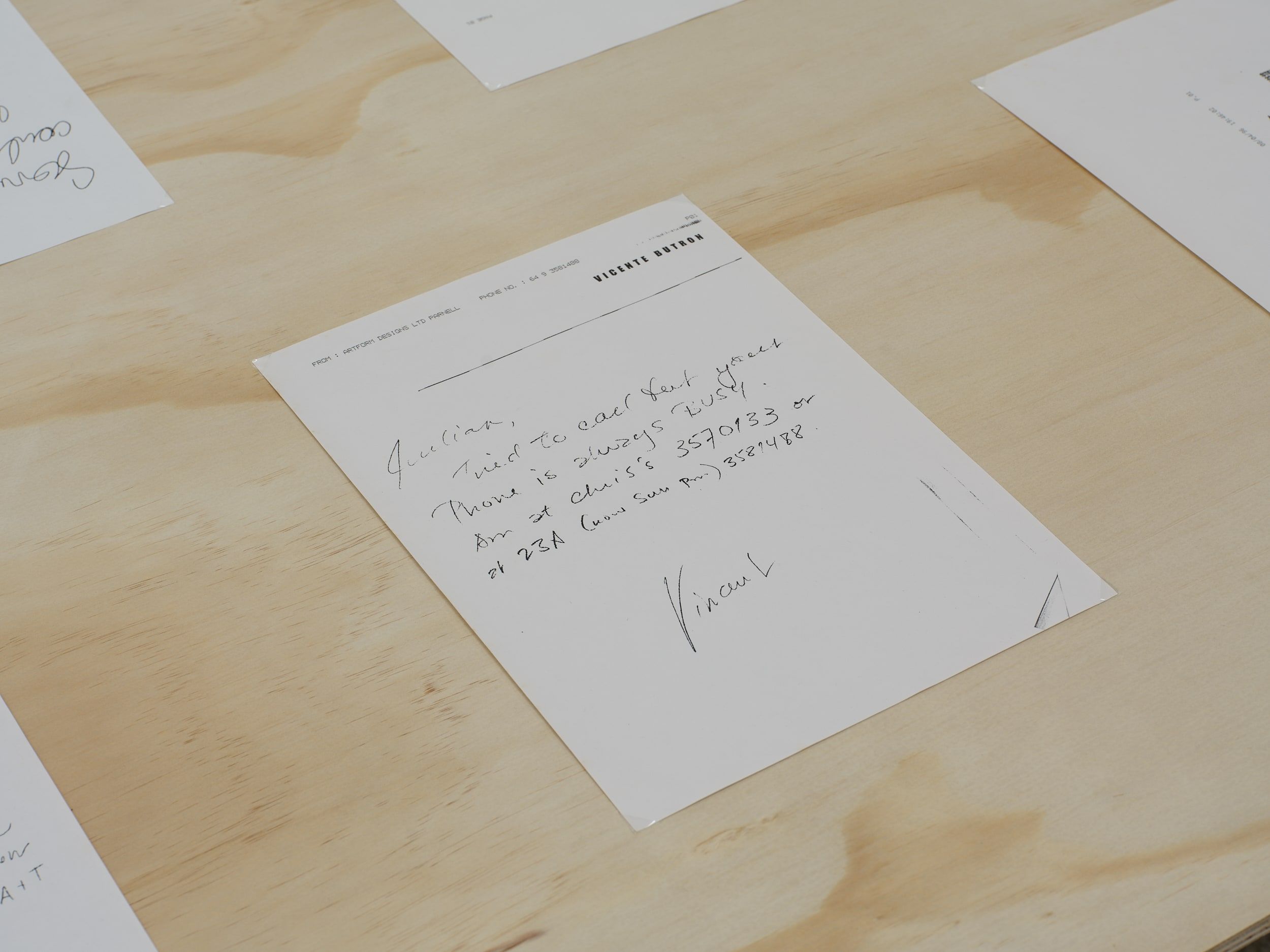
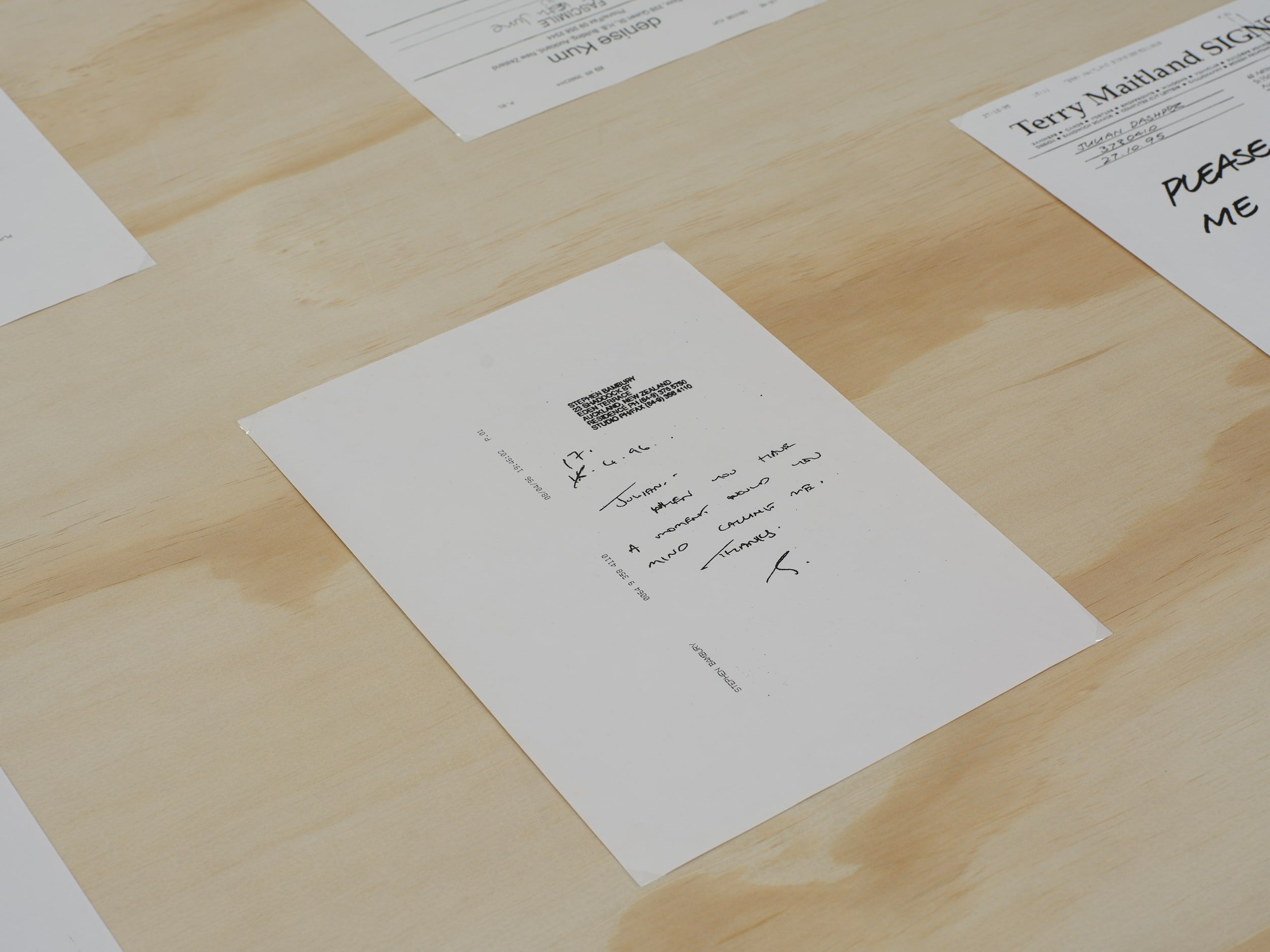
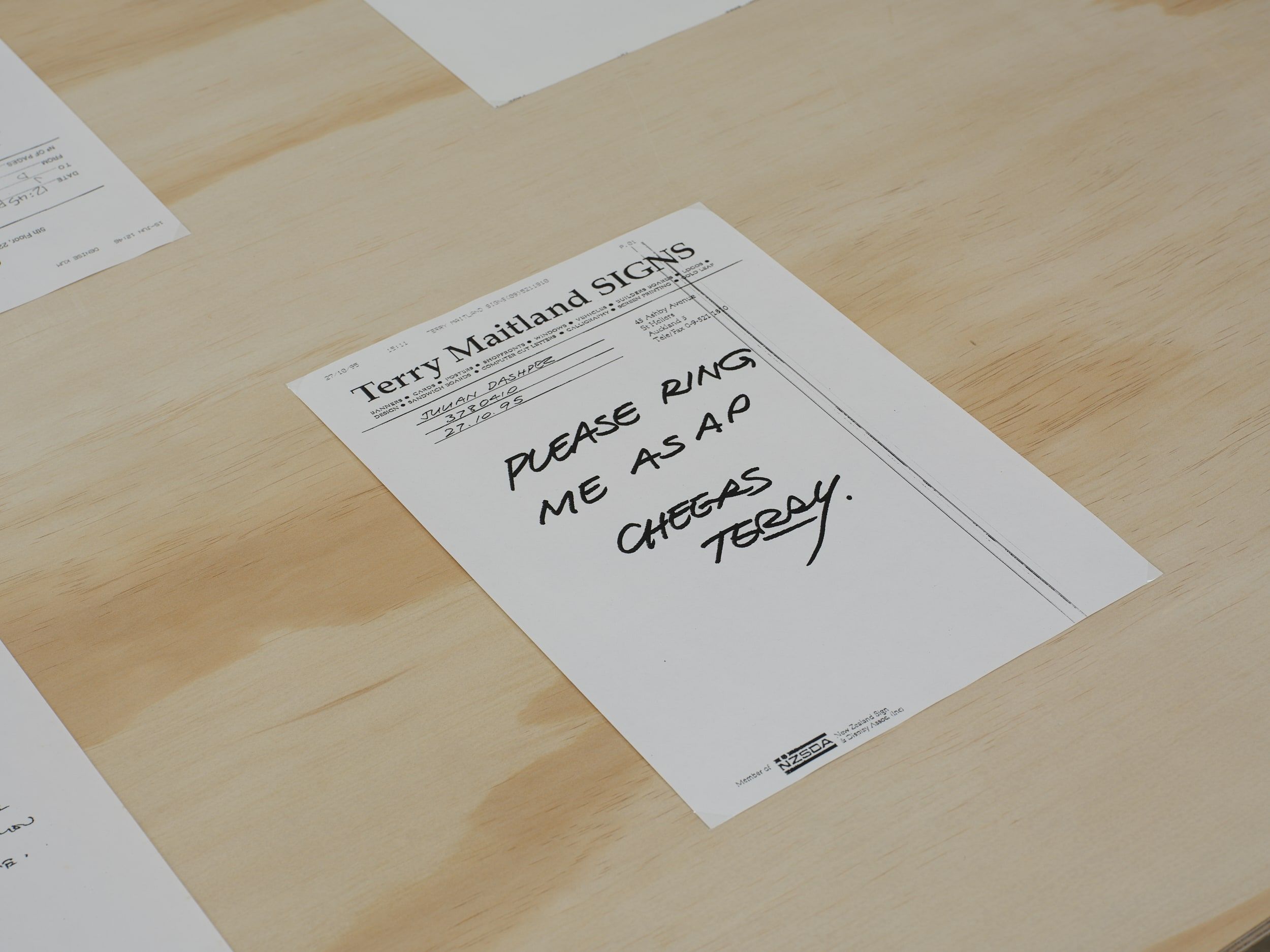
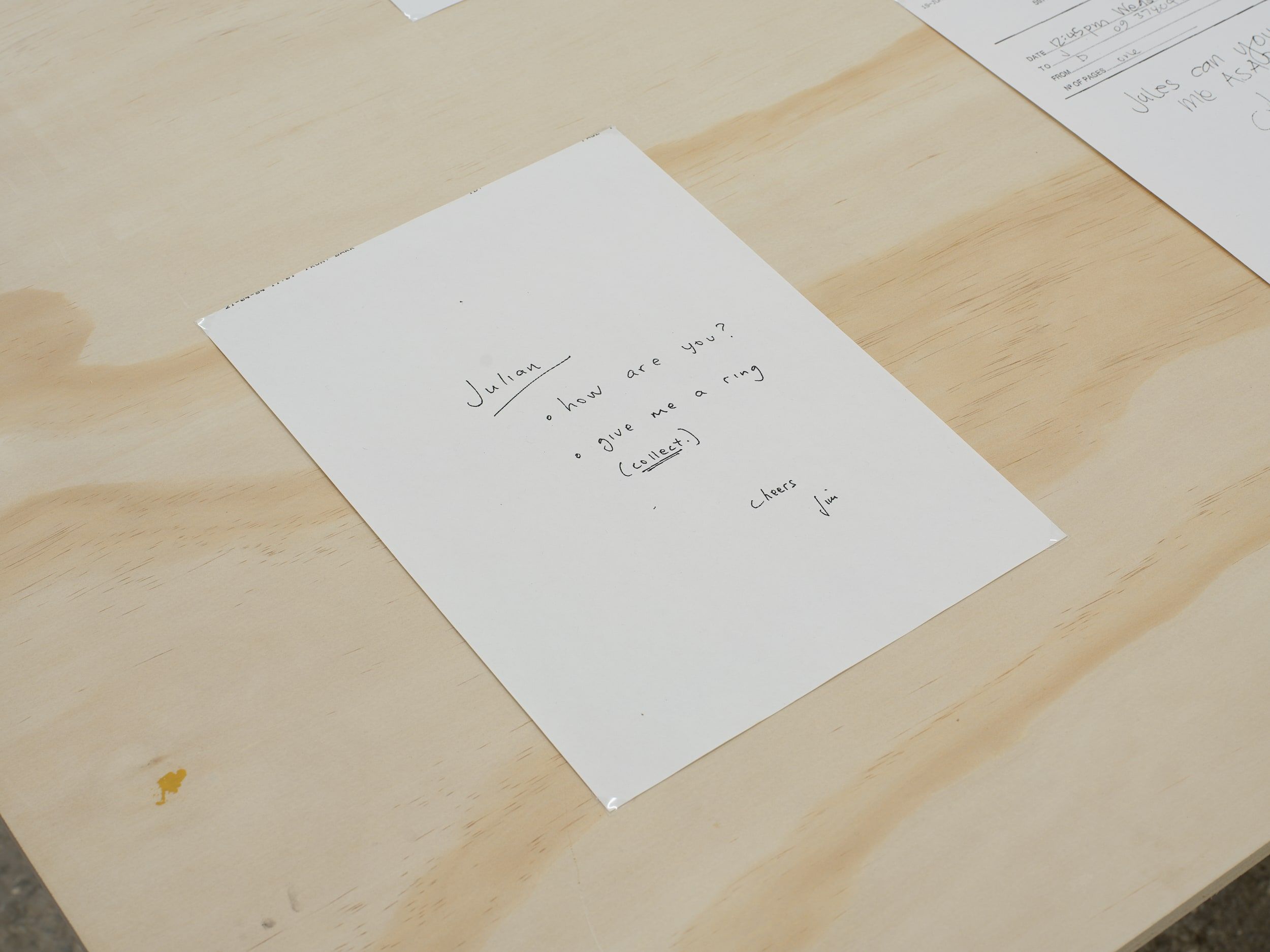
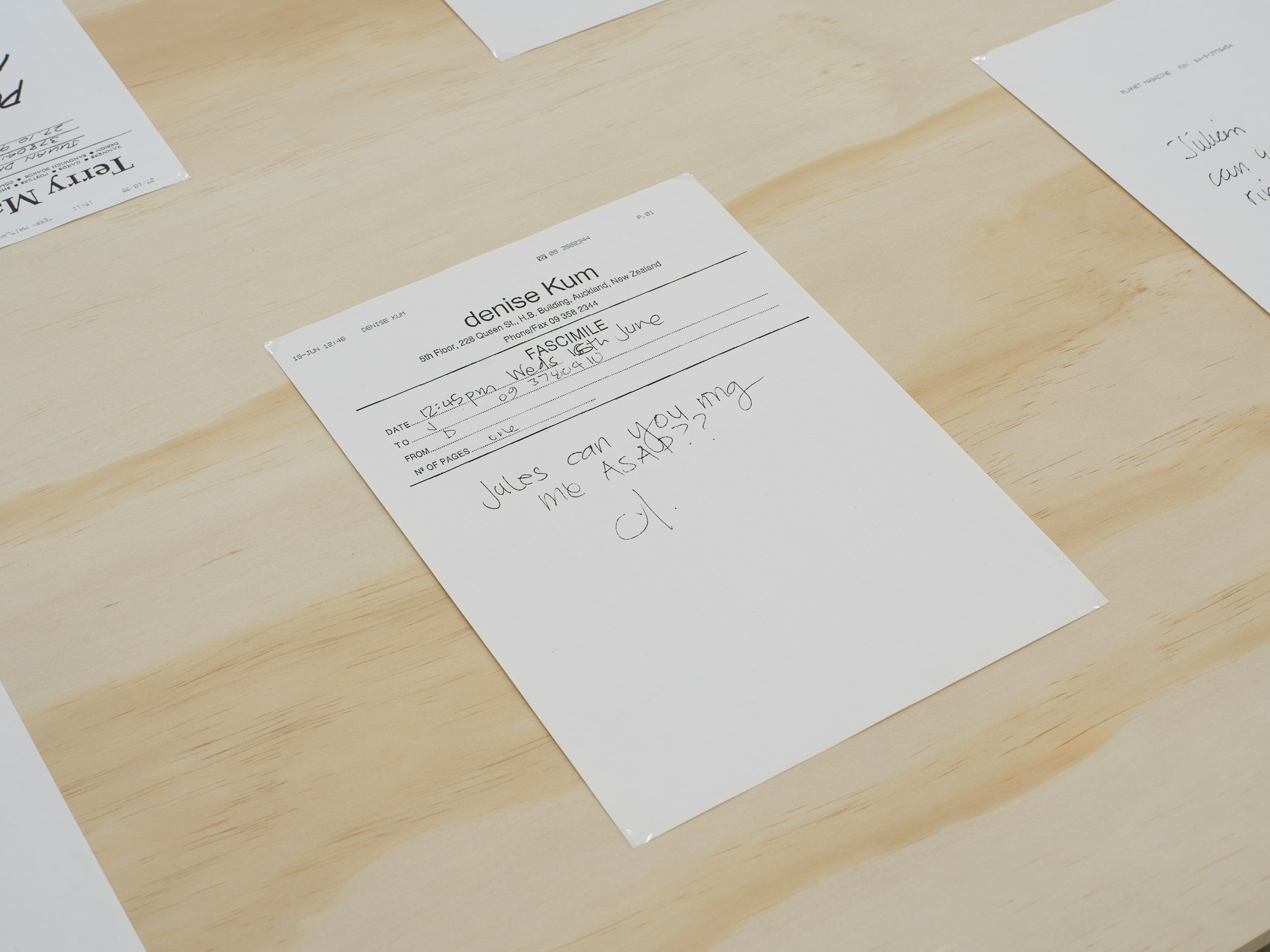
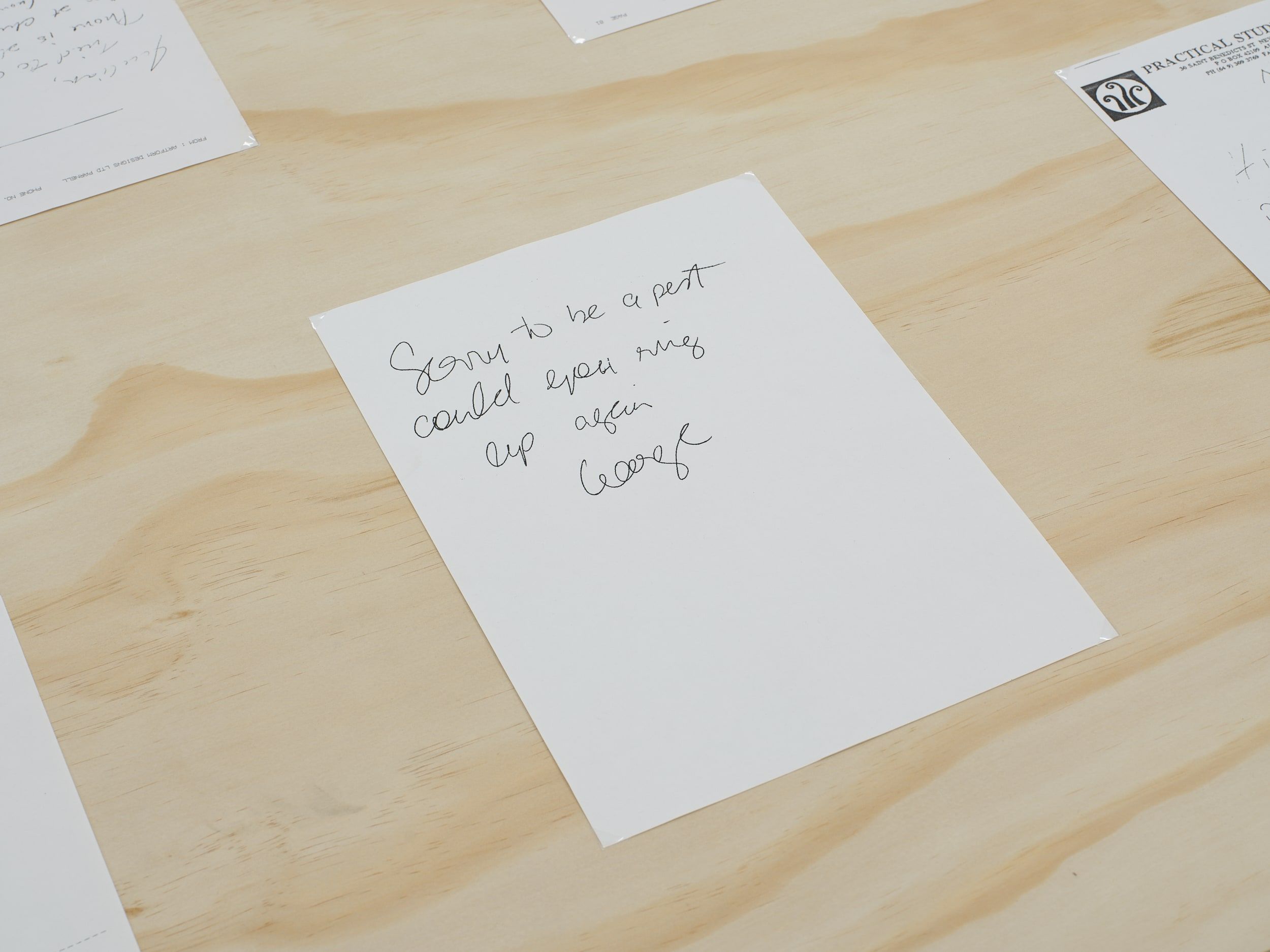
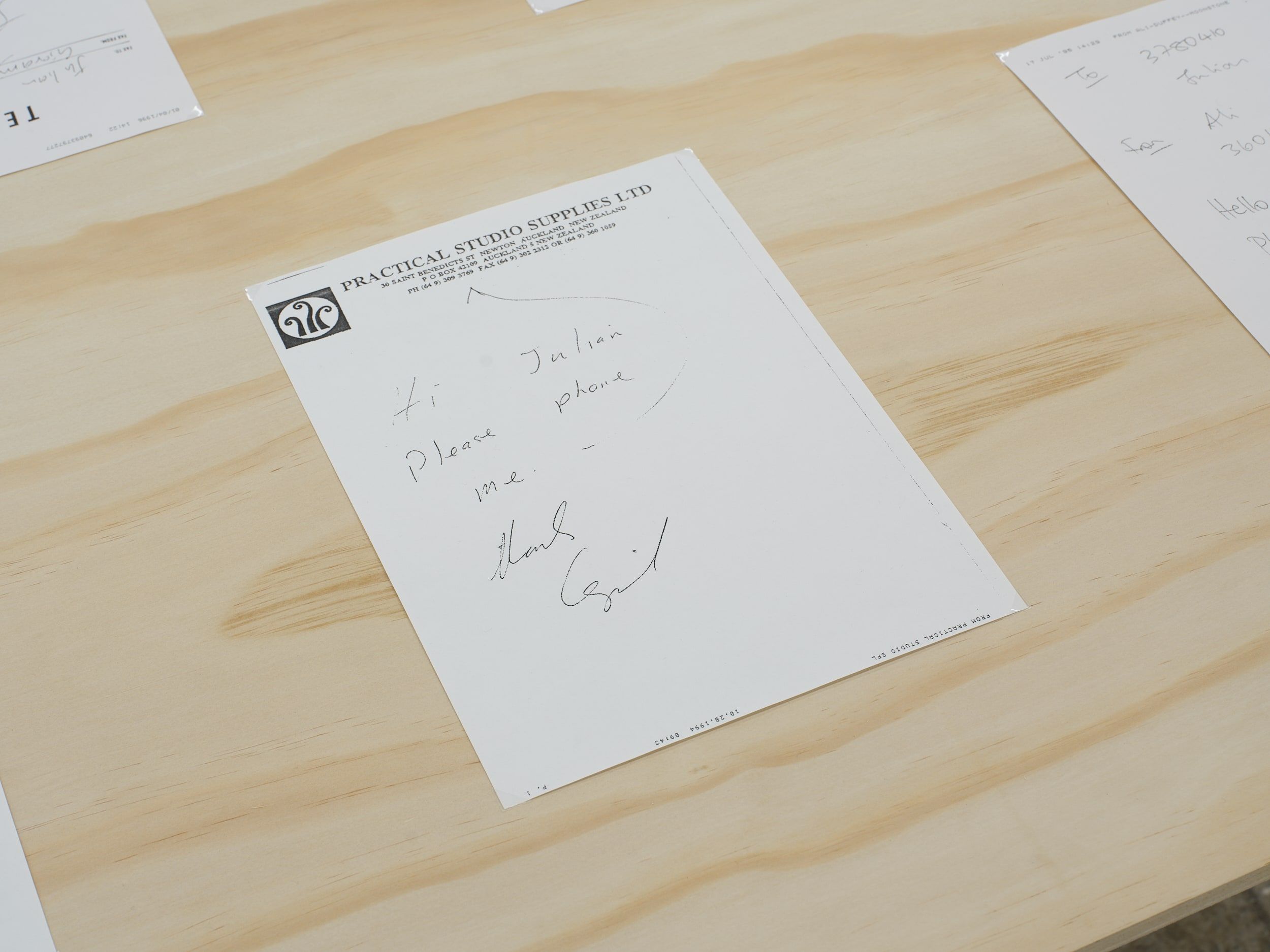
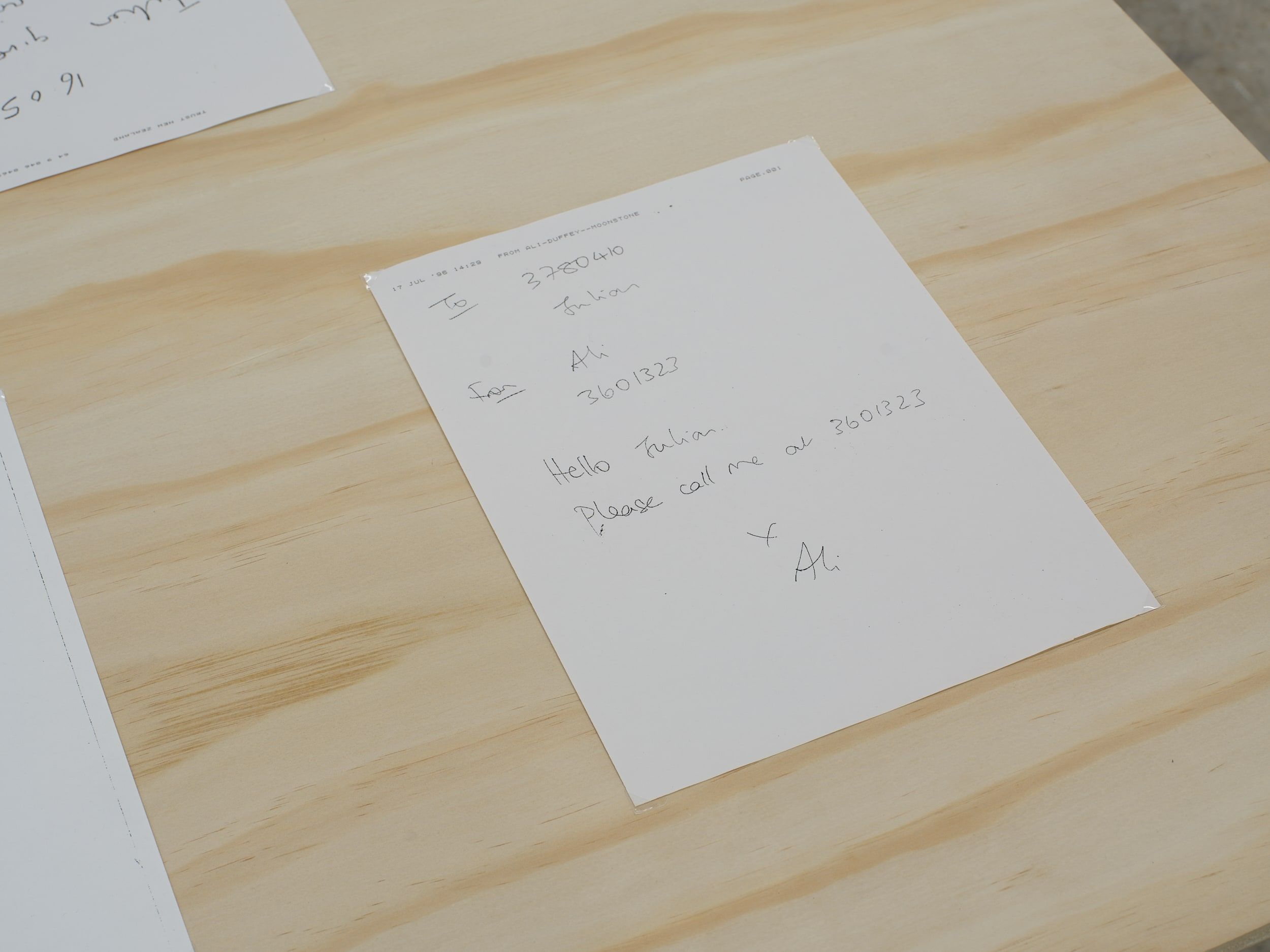
Faxes, 1994–96
courtesy of the Julian Dashper Estate, Auckland
(senders from left to right: Jim Barr, Denise Kum, George Hubbard (calling from Planet Magazine), George Hubbard, Cyril Wright, Ali Duffey, [et al.], Giovanni Intra, Vicente Butron, Stephen Bambury, Terry Maitland)

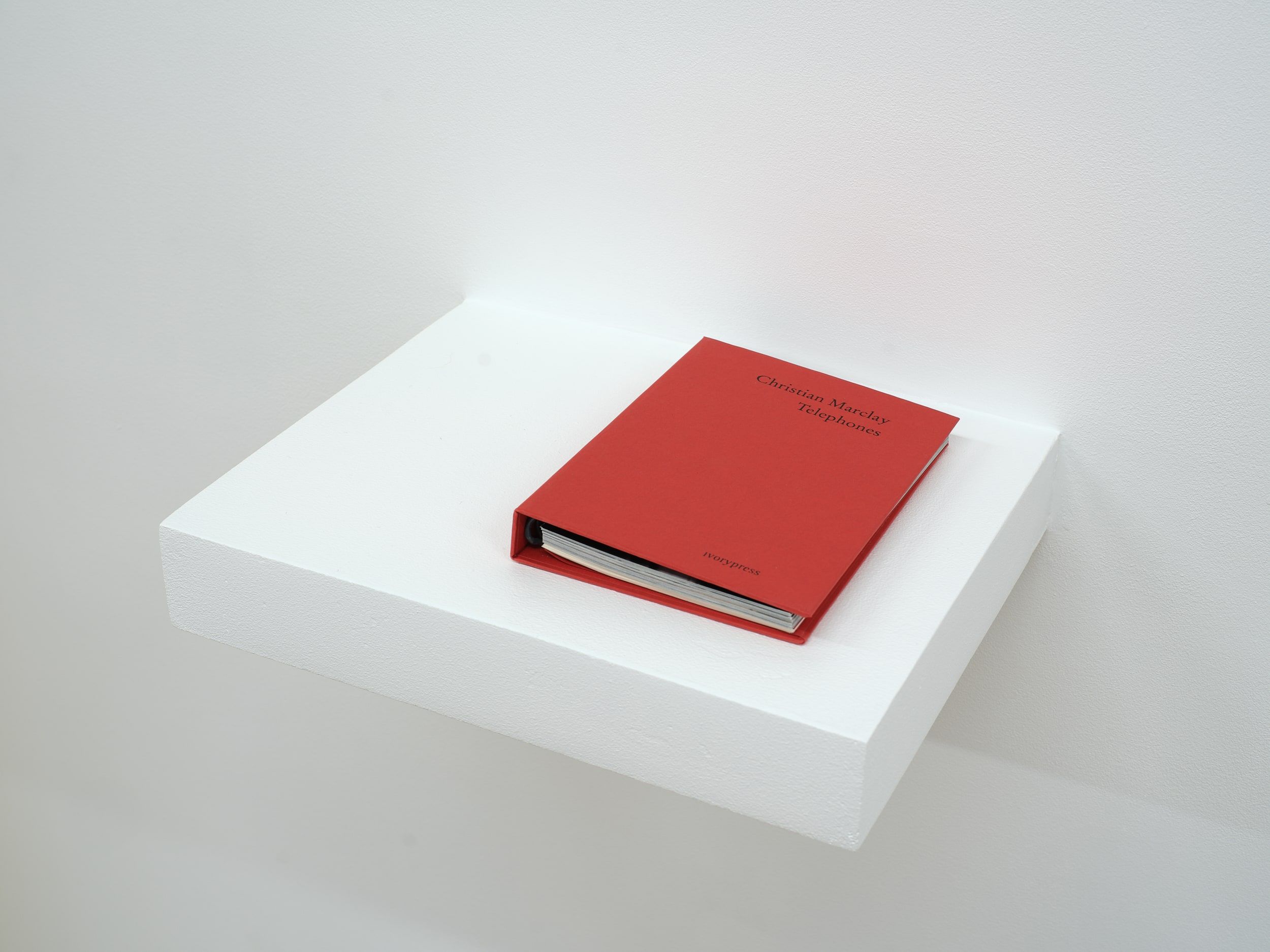
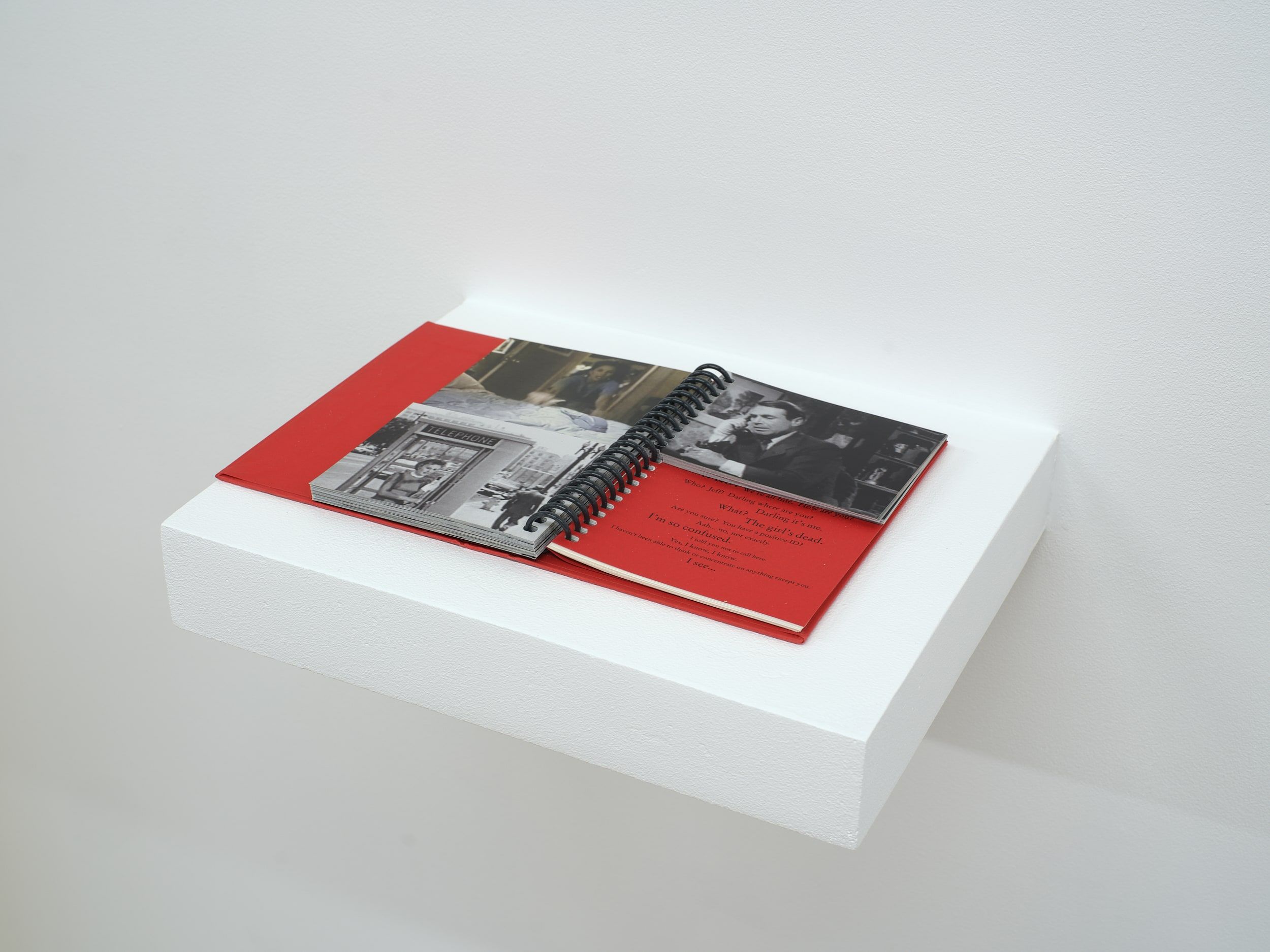
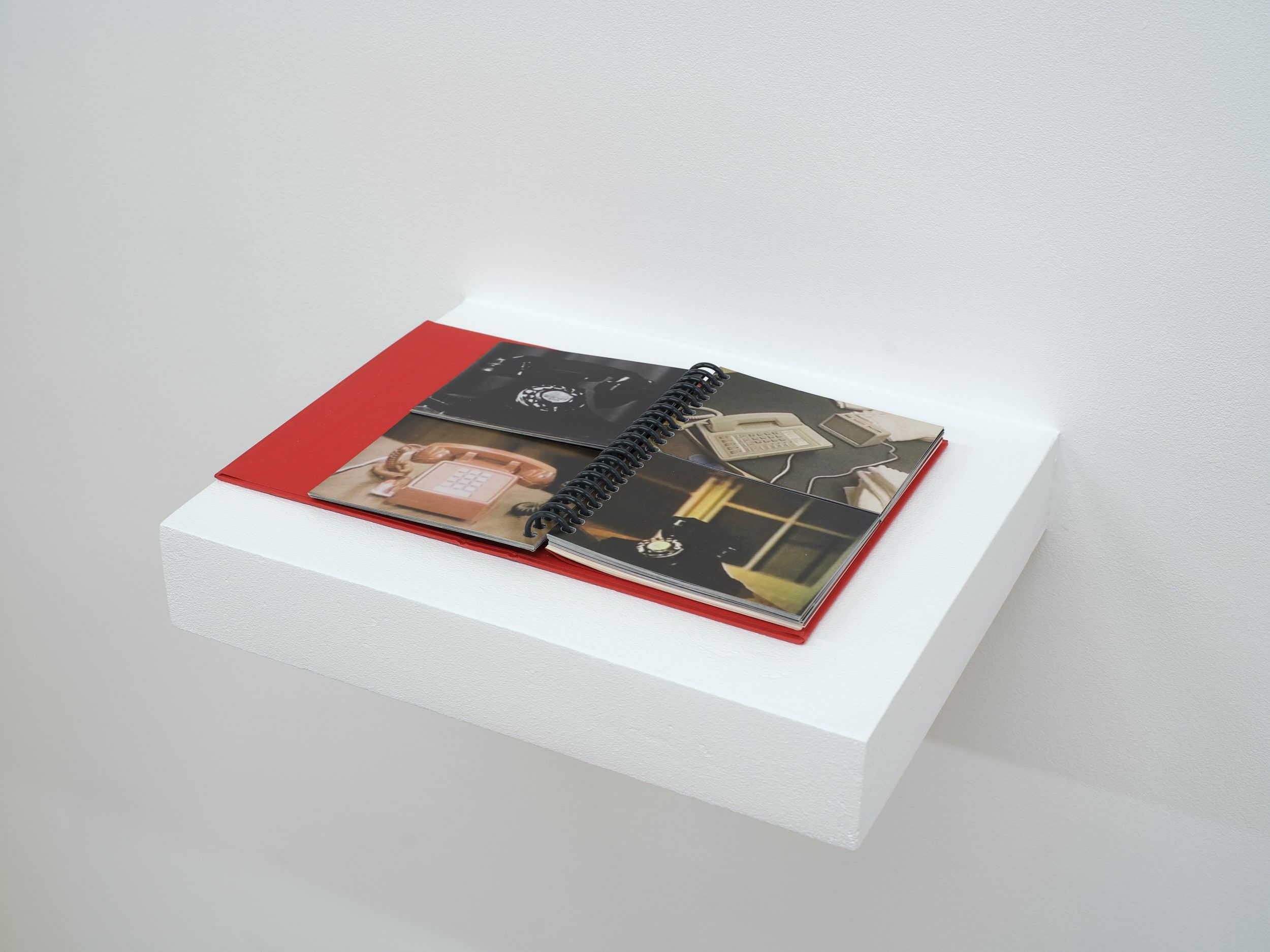
Christian Marclay, ‘Telephones’, 2024
artist book
Ivory Press, Madrid
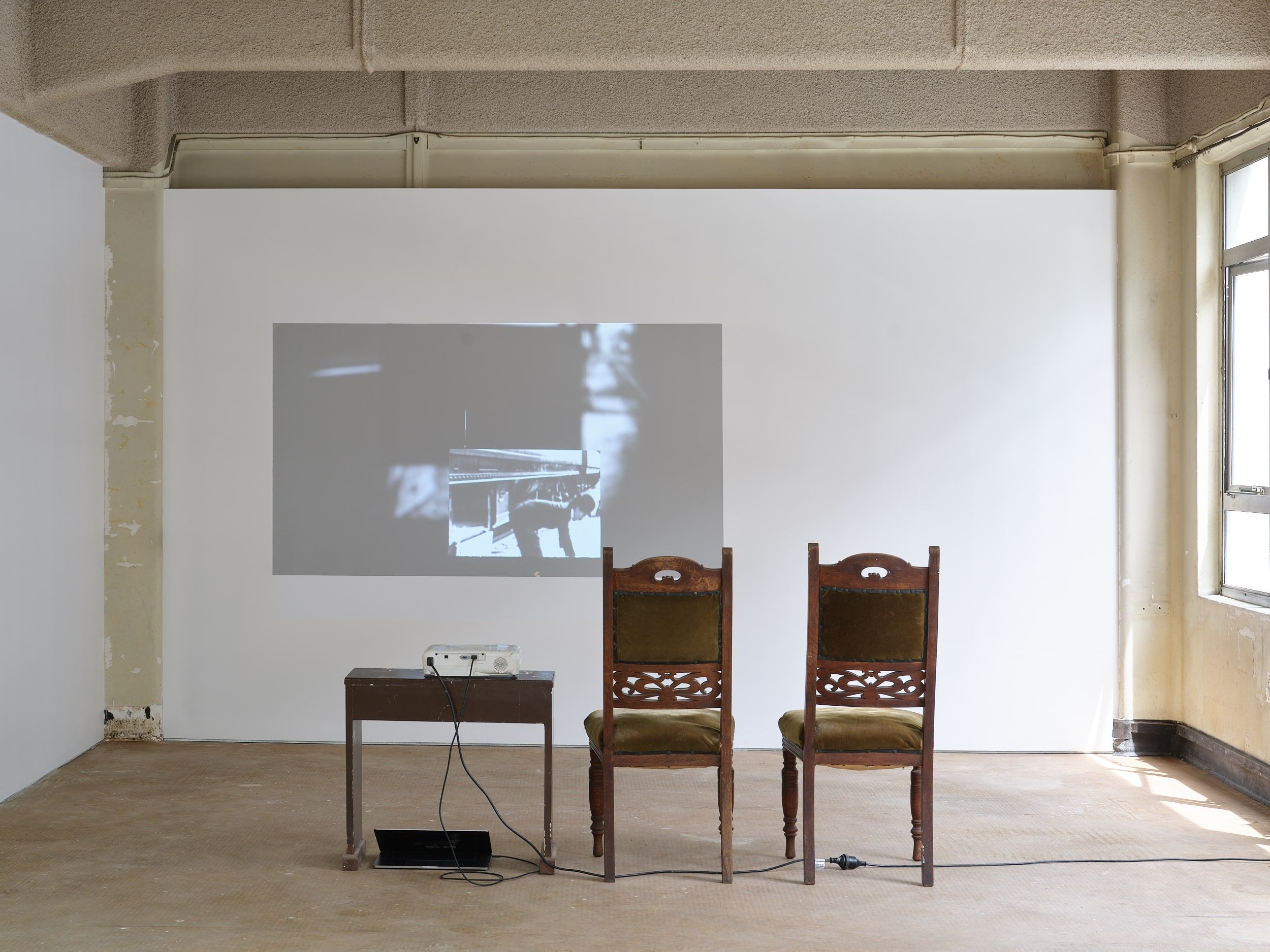
Nika Autor, ‘Newsreel 63 – The Train of Shadows’, 2017
HD video, 38 minutes
courtesy of the artist